
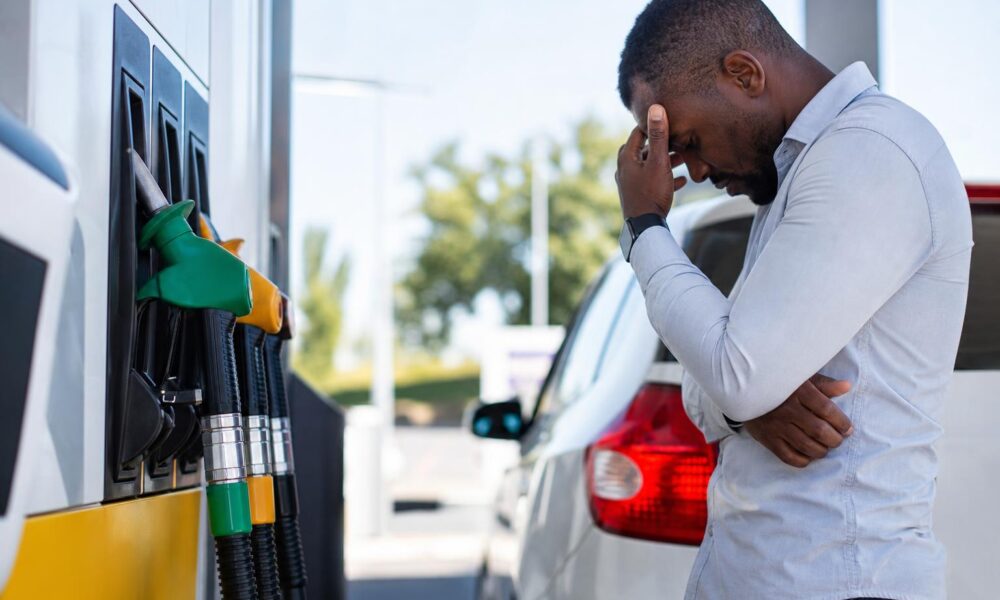
South Africa will temporarily reduce fuel levies at a cost of 10 billion rand in foregone revenue, as the government seeks to cushion motorists and households from record pump prices.
Finance Minister Enoch Godongwana announced that the general levy on diesel would be cut by three rand per litre, while the petrol levy would fall by 1.50 rand per litre. The relief is scheduled to begin on November 4 and continue until December 1.
Godongwana also said a smaller reduction would remain in place into the new year. The government has not specified the size or exact duration of that further cut.
Pressure on households
Petrol prices topped 30 rand per litre in October, while diesel prices moved above that level. Paraffin prices also increased, adding pressure on low-income households that depend on the fuel for cooking and heating.
The latest intervention follows a similar fuel-relief measure introduced in March. South Africa imports most of its fuel, and the source report links recent price movements and supply disruptions to global energy-market volatility, including developments involving the Strait of Hormuz. Those reported causes have not been independently verified here.
The government said the revenue lost through the levy reduction would be offset by the return of funds previously transferred to the state-owned Central Energy Fund.
Weaker growth outlook
The levy announcement came alongside a revised economic outlook. South Africa’s economy is forecast to grow by 1.2 percent in 2026, down from the 1.6 percent projection made in February. Growth is forecast at 1.6 percent in 2027 and 2 percent by 2029.
Stronger corporate, dividend and value-added tax collections have improved the revenue outlook and lifted the 2026/27 tax forecast, according to the report. Much of that improvement reflects higher commodity prices, which are expected to fade over the medium term.
Public debt is forecast to stabilise at 78.4 percent of gross domestic product in 2025/26.
Godongwana said South Africa was managing global volatility better than its peers because of fiscal decisions taken over the previous five years. In his words, the country was “weathering the storm much better than its peers” after taking decisions that built fiscal buffers and strengthened resilience.






No Comment! Be the first one.