
Health Officials Focus on Delays and Trust in Drive to Prevent Maternal and Child Deaths
Health officials, workers, partners and community leaders met at Freetown City Hall to discuss preventable maternal and child deaths, vaccination and improvements needed during the final 58 days of...

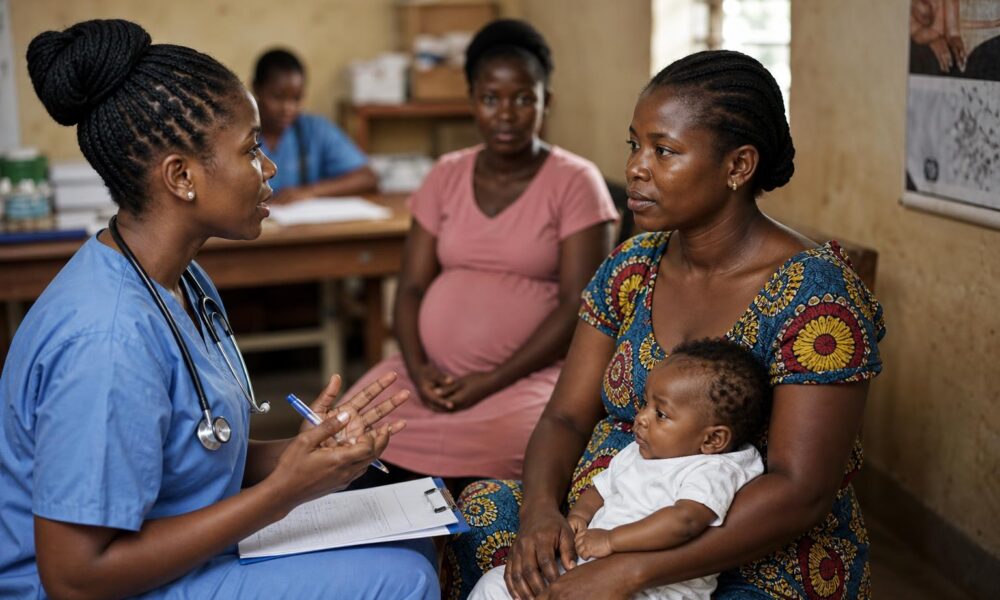
Health officials, health workers, partners and community leaders met at Freetown City Hall on Wednesday 28 October for a discussion on preventable maternal and child deaths, vaccination and the remaining 58 days of the 300 Days of Activism for Triple Zero.
Table Of Content
The meeting brought together the Minister of Health, Dr. Austin Demby, and the Chief Medical Officer, Dr. Mustapha Kabba. Participants examined delays in essential care, emergency response, patient treatment and public confidence in health services.
Progress alongside continuing losses
Figures presented during the discussion indicated that maternal deaths were down 31.3 per cent compared with the same period in 2025, while child deaths had declined by 12.7 per cent.
More than 10,000 children who had never received a vaccine dose were also reported to have been vaccinated.
Despite those developments, the discussion highlighted continuing deaths and the need for faster action. Six mothers died nationwide in Week 42, with each death described as preventable.
The causes associated with maternal deaths included bleeding, a ruptured uterus and infection. Child deaths were associated with malaria, sepsis and chest infections.
Delays and confidence in care
The discussion identified several points where delays can affect outcomes, including missed danger signs, referrals that are not communicated in advance, unavailable blood and slow response by health teams.
It also addressed the effect of how patients are treated. The Ministry’s discussion noted that ignored concerns, rude treatment or requests for unofficial payments can weaken trust in health facilities. When confidence falls, some mothers may turn to traditional birth attendants or wait too long before seeking care.
“No patient should be denied, delayed or humiliated while seeking essential care because they cannot make an unofficial payment,” Dr. Demby said.
He added that health services must examine why people lose trust and work to make those services worthy of it.
Plans for the remaining 58 days
The Ministry wants the final 58 days of the campaign to improve what mothers and families encounter when they arrive for care. Planned actions include ensuring staff are ready to control severe bleeding and treat dangerous blood pressure, rapidly assessing sick babies, alerting hospitals before referred patients arrive, and maintaining supplies of blood and medicines day and night.
“When a woman arrives with severe bleeding, the system must respond as one coordinated team,” Dr. Demby said.
Dr. Kabba said deaths should be counted, reviewed and used to improve care. He also said families should receive dignity, respect and compassion, while acknowledging that not every challenge would disappear during the remaining period.
Dr. Demby said progress should ultimately be measured by fewer preventable maternal deaths, fewer preventable child deaths and more children protected through vaccination.
“Behind every number is a person, a family and a community,” he said, adding that every death represents a family changed forever.






No Comment! Be the first one.