
Global greenhouse gas emissions reached 54.1 billion tonnes in 2025
Global greenhouse gas emissions rose to 54.1 billion tonnes in 2025, with China the largest annual emitter and the power industry the biggest source.

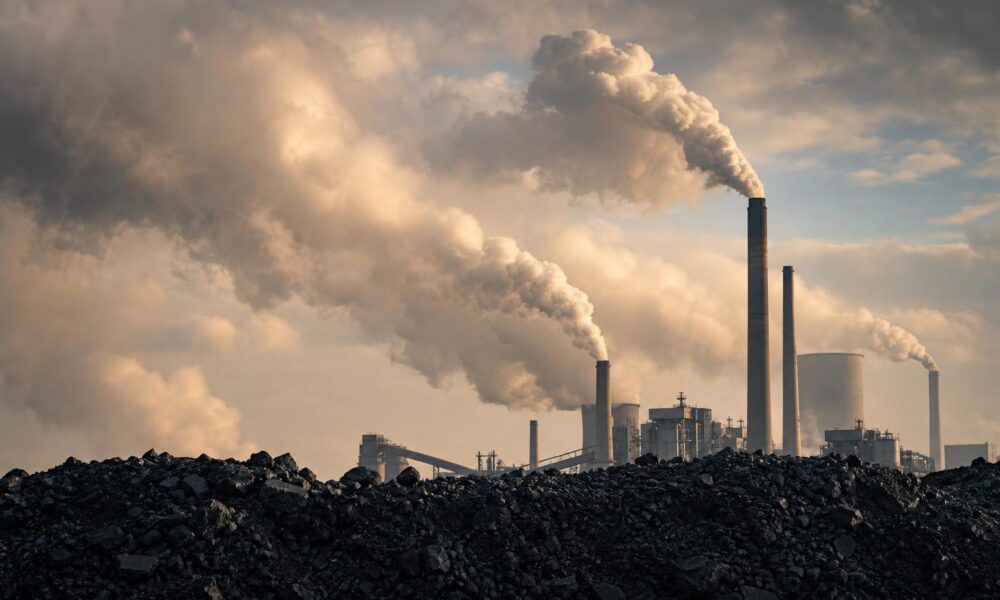
Global greenhouse gas emissions reached 54.1 billion tonnes in 2025, rising 0.7 percent from the previous year and 68.5 percent compared with 1990, according to figures from the European Commission’s Joint Research Centre and the International Energy Agency.
Table Of Content
The figures were highlighted in an Al Jazeera visual explainer as world leaders and delegates gathered in Antalya, Turkiye, for COP31, the United Nations climate summit scheduled for November 9 to 20.
Power sector remains the largest source
Carbon dioxide accounted for 73.8 percent of global greenhouse gas emissions in 2025. Methane contributed 17.6 percent, followed by nitrous oxide at 5.3 percent and fluorinated gases at 3.3 percent.
The power industry was the largest source, responsible for nearly 30 percent of total emissions. Industry accounted for 21 percent and transport for 16 percent. Agriculture contributed 12 percent, while coal, oil and gas extraction represented 11 percent. Buildings and waste accounted for 6.6 percent and 3.6 percent respectively.
The Joint Research Centre also reported that global carbon dioxide emissions had increased by 76.3 percent since 1990. Global emissions have fallen only a handful of times since 1970, including during the early 1980s, after the 2008 financial crisis and during the COVID-19 pandemic in 2020, with emissions rebounding after each decline.
China leads annual emissions
China was the largest national emitter in 2025, producing almost 16 billion tonnes of greenhouse gases, or 29.5 percent of the global total. The United States followed with 6.02 billion tonnes, representing 11.1 percent, while India emitted 4.51 billion tonnes, or 8.3 percent.
The European Union accounted for 5.8 percent of global emissions, followed by Russia at 4.8 percent. Indonesia, Brazil and Iran contributed 2.5 percent, 2.4 percent and 2.1 percent respectively. International shipping and aviation, which are counted separately from national totals, together represented 2.6 percent.
China overtook the United States as the world’s largest emitter in the mid-2000s after its emissions rose sharply as the economy expanded. In China, the power sector accounted for 42 percent of emissions, industry for 31 percent and fuel production for 9.5 percent.
Transport was the largest emissions source in the United States, at 29 percent, followed by the power sector at 26 percent and industry at 14 percent. In India, the power sector represented 35 percent, industry 24 percent and agriculture 19 percent.
Historical responsibility differs
Annual rankings differ from the picture of cumulative emissions. Data from the Global Carbon Budget show that the United States produced 23.5 percent of all cumulative carbon dioxide emissions since the mid-18th century, compared with 15.4 percent from China.
In September 2025, Chinese President Xi Jinping pledged to reduce China’s greenhouse gas emissions by 7 to 10 percent from their peak by 2035.
The climate data come as the World Meteorological Organization reported that ocean heat reached a record high in 2025 and that the pace of ocean warming had increased sharply over the previous two decades. The organisation also said extreme weather killed tens of thousands of people and displaced millions in 2026.





No Comment! Be the first one.