
Francophone summit faces Rwanda-DRC leadership dispute
Leaders meeting in Phnom Penh are expected to select the next secretary-general of the Organisation internationale de la Francophonie, amid a confrontation between Rwanda and the Democratic Republic...

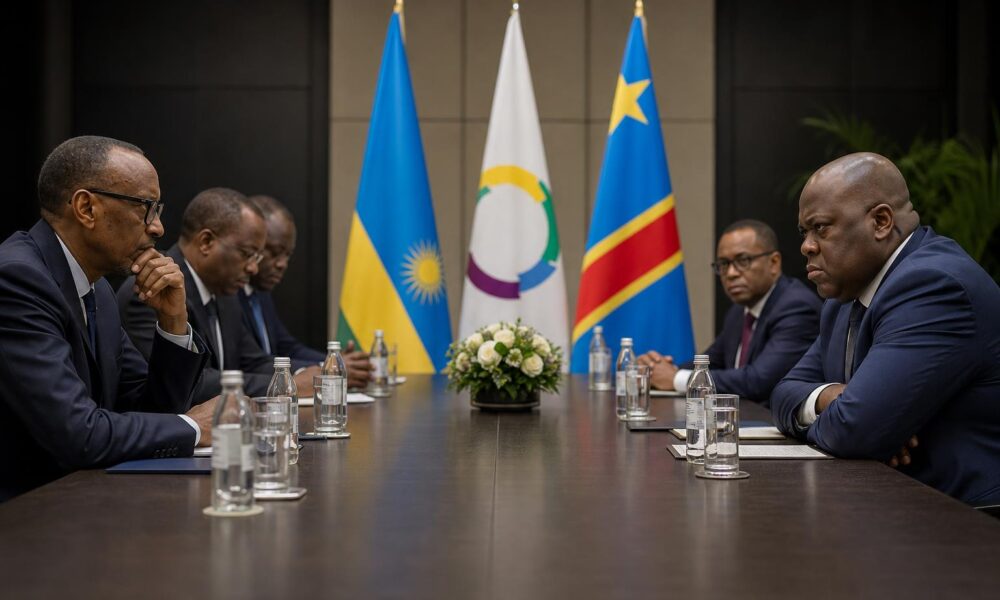
Leaders of the Organisation internationale de la Francophonie are meeting in Phnom Penh for a three-day summit overshadowed by a dispute between Rwanda and the Democratic Republic of the Congo over the organisation’s leadership.
Table Of Content
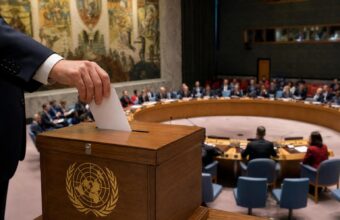
The organisation is scheduled to choose its next secretary-general for a four-year term on Monday. Louise Mushikiwabo, who has led the OIF since 2018, is seeking a third term.
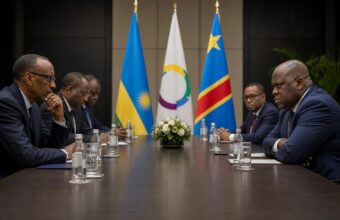
The DRC has threatened to leave the organisation if Mushikiwabo is re-elected. Rwanda’s foreign minister, Olivier Nduhungirehe, has said she will remain in the contest.
Competing candidates
The DRC withdrew Juliana Lumumba as its candidate and instead backed former Romanian Prime Minister Dacian Ciolos. Kinshasa said the move was intended to create “consensus around a unifying candidacy”.
Mauritania’s Coumba Ba, a former minister, is also running for the post. Macron’s office has said that most members agree on the need for consensus, and that French President Emmanuel Macron would raise the issue with African counterparts.
Rwanda has reportedly refused a request from Macron to withdraw Mushikiwabo’s candidacy. The disagreement has deepened wider tensions between Kigali and Kinshasa.
Dispute over eastern DRC
The DRC accuses Rwanda of backing the M23 armed group in eastern DRC. The United States and United Nations experts have also expressed that view, according to the source report. Rwanda’s position on the allegation is not established in the available information.
The mineral-rich region is home to about 100 armed groups, including M23. The conflict has become a major point of friction between the two countries and now threatens unity within the Francophone organisation.
The DRC has more than 110 million people and is described as the most populous country where French is an official language. Its departure would therefore represent a significant loss for the OIF, which brings together 90 states and governments where French is spoken or widely used.
Summit agenda and Cambodia
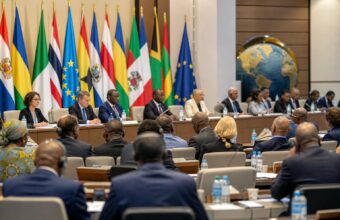
About 20 leaders are expected at the meeting, which is being held under the slogan “Reinvest in Peace for Shared Prosperity and Lasting Stability”. The OIF has 53 full members, five associate members and 32 observers.
Macron arrived in Cambodia and met Prime Minister Hun Manet. He is due to visit the Angkor World Heritage Site on Monday before travelling to Malaysia. Cambodia is expected to take over the chair of the organisation from France after Macron chaired the previous summit in 2024.
The summit is also drawing attention from rights activists. Cambodia is described in the source report as a de facto one-party state, and activists see the gathering as an opportunity to press the authorities on human rights.
Tom Andrews, the United Nations Special Rapporteur, urged delegates to seek the release of detained activists. “No one should be detained for defending human rights, reporting on matters of public concern, or voicing critical opinions,” he said.
The OIF has already lost Mali, Niger and Burkina Faso, which announced withdrawals in March 2025 after being suspended over military coups. Its 2026 budget is 71.7 million euros, or about $79 million, with France the largest contributor.
The outcome of the secretary-general election has not been reported. It is also not known whether the DRC will ultimately withdraw from the organisation if Mushikiwabo secures another term.
No Comment! Be the first one.