
Leonid Meteor Shower Set to Peak Between November 17 and 18
The Leonid meteor shower is expected to reach its peak between November 17 and 18, offering observers a chance to see up to about 15 meteors an hour in favourable conditions.

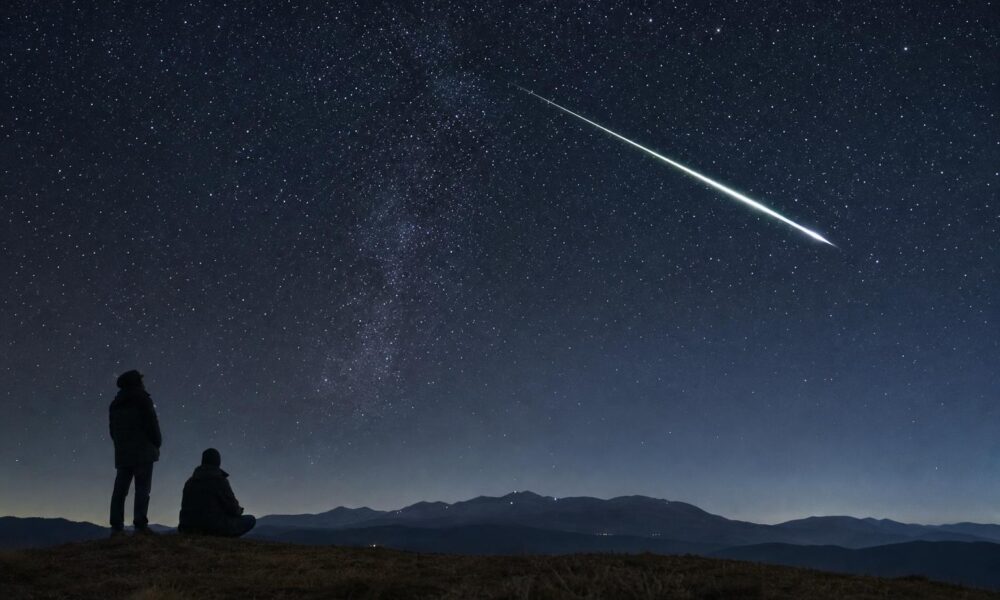
Skywatchers are preparing for the peak of the Leonid meteor shower, which is expected during the night between November 17 and 18.
The International Meteor Organization says the shower is active from November 6 to 30 and is expected to reach its peak at about 23:45 GMT on Tuesday. Under clear, dark skies, observers could see up to about 15 meteors an hour.
How the Leonids form
The Leonids are created as Earth passes through dust released by Comet Tempel-Tuttle every November. When the resulting meteoroids enter Earth’s atmosphere at high speed, they heat up and glow. Most burn up before reaching the ground.
Leonid meteors travel at about 71 kilometres per second, making them among the fastest meteors visible in the night sky. The shower is named for the constellation Leo, because the meteors appear to come from that region. This apparent point of origin, known as the radiant, is an effect of perspective; meteors can appear across any part of the sky.
Where and when to watch
The most favourable viewing period is generally between midnight and dawn, particularly from a location away from artificial light with a wide, unobstructed view. Leo rises in the east around midnight, making the later hours of the night important for observers.
The Leonids can be seen from both hemispheres, although conditions are generally better in the Northern Hemisphere, where Leo climbs higher in the sky. South of the equator, the best opportunity is expected during the hour or two before dawn.
The moon is expected to be about half full on the peak night. In many locations, it is expected to set around midnight, potentially leaving darker skies during much of the main viewing period. Actual visibility will depend on local weather, light pollution and the observer’s location.
A shower known for bright displays
Although the expected peak rate is lower than the rates often associated with the Perseids and Geminids, the Leonids are known for their speed and occasional bright events. Larger pieces of debris can produce fireballs, while Earth-grazers skim the upper atmosphere at a shallow angle and may leave long trails near the horizon.
The shower has also produced meteor storms in the past. A major display occurred over North America in 1833, while another in 1966 saw thousands of meteors reportedly appear every minute for about 15 minutes. More recent Leonid storms were identified in 1999, 2001 and 2002.
Comet Tempel-Tuttle passes close to the sun about every 33 years. Its next such passage is expected in 2031, but the current viewing opportunity remains dependent on darkness and clear skies rather than a storm-level event.
Observers are advised to allow about 20 minutes for their eyes to adjust to darkness before watching. No specialist equipment is required, and a broad view of the sky is more useful than focusing on Leo alone.





No Comment! Be the first one.