
Kenya Expands Ebola Preparedness After Imported Case in Nairobi
Kenya has strengthened Ebola preparedness and public information efforts after a 40-year-old Kenyan who travelled from the Democratic Republic of Congo through Uganda died in Nairobi.

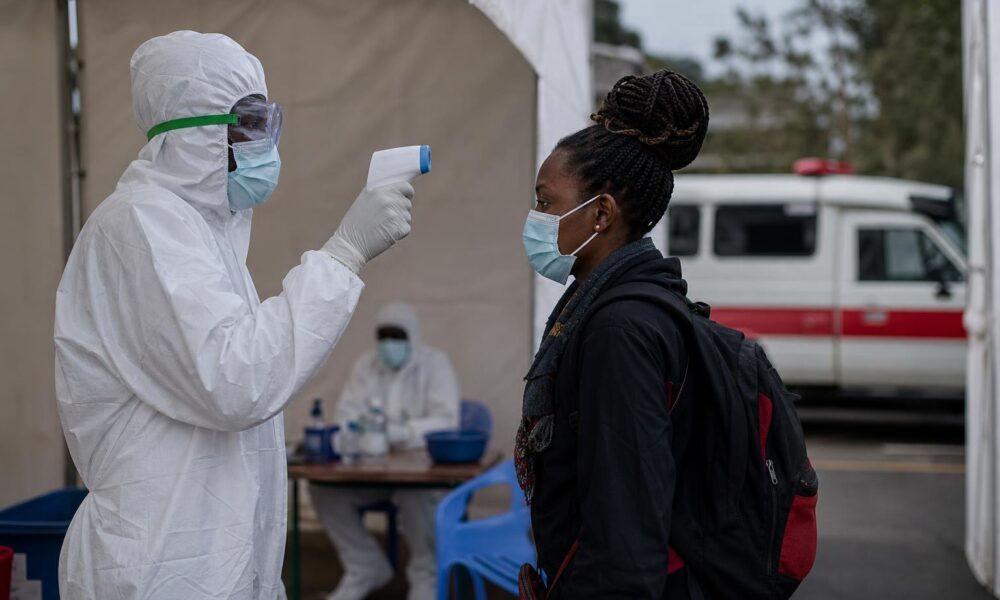
Kenya has expanded Ebola preparedness and public awareness measures after a 40-year-old Kenyan who travelled from the Democratic Republic of Congo through Uganda died of the disease in Nairobi.
Table Of Content
Officials are continuing efforts to identify and trace people who came into contact with the deceased, while the government has increased surveillance at points of entry and strengthened preparations for possible isolation and treatment.
Travel route and screening
Africa CDC said the man travelled from the Democratic Republic of Congo to Kenya via Uganda. Recorded body temperatures at screening points along the route remained within the normal range, according to the agency.
Dr Wessam Mankoula, Africa CDC’s chief of emergency preparedness and response, said the man was not suspected to have Ebola while travelling between the locations.
“During this movement they didn’t suspect that he is an Ebola case,” Mankoula said, explaining that he initially experienced symptoms including skin infections, a sore throat and malaise.
He urged anyone who develops symptoms while moving from one place to another to seek medical care promptly.
“This is not only to prevent the movement of disease from one to another but also for your own protection,” Mankoula said.
Government response
The Kenyan government has intensified contact tracing, public communication and surveillance at entry points. It has also made preparations for possible isolation and treatment, while health officials continue to follow up with people who may have been exposed.
Kenya has increased public messaging on Ebola prevention and established an emergency hotline for people experiencing related symptoms. Officials have urged symptomatic people to obtain medical care without delay.
The Ministry of Health has also asked churches to help raise awareness, promote preventive practices and encourage the early reporting of suspected cases.
Assistant Minister of Health Mary Muthoni urged Kenyans to rely on official information and avoid contact with bodily fluids from sick people or the bodies of those who have died from unknown illnesses.
“Get your information only from official Ministry of Health channels,” Muthoni said.
Imported case
Mankoula said the case should not be described as an Ebola outbreak in Kenya because local transmission had not begun.
“This is an imported case. We will say we have an outbreak when we start having local transmission,” he said, adding that Kenya had an opportunity to prevent further spread.
Ebola can spread through direct contact with the bodily fluids of an infected person or through contaminated materials and surfaces, including bedding and clothing.
The current outbreak in Congo was declared in mid-May and has spread across multiple health zones. Government data cited in the report recorded at least 8,400 cases and more than 4,000 deaths in that outbreak.



No Comment! Be the first one.