
Study Questions AGRA’s Impact on Africa’s Traditional Crops
Research cited in an Al Jazeera opinion article challenges AGRA’s Green Revolution model, linking its emphasis on commercial inputs and maize to declining prospects for several traditional African...

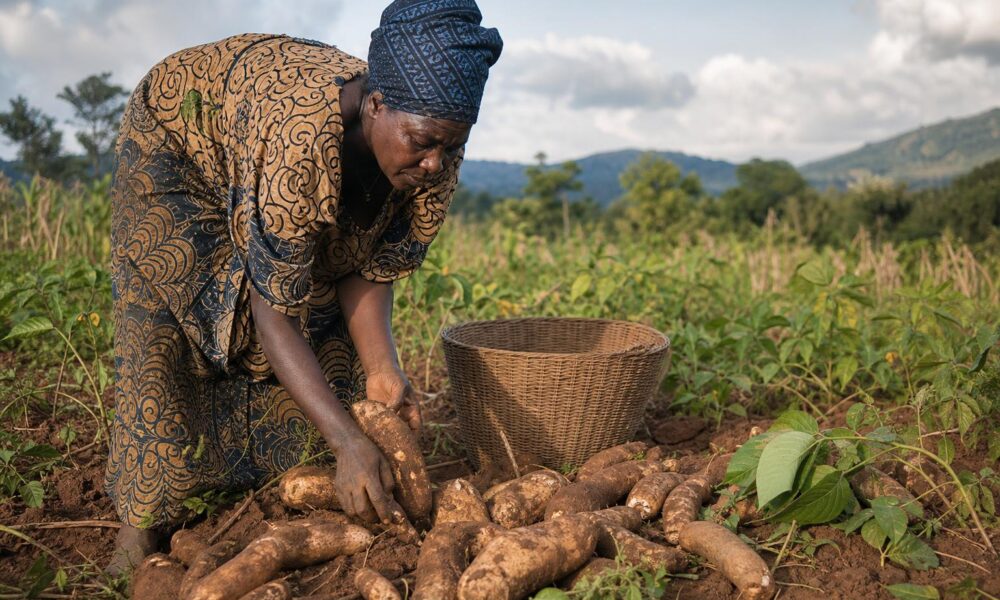
An opinion article published by Al Jazeera has raised questions about the results of the Alliance for a Green Revolution in Africa, known as AGRA, arguing that its agricultural model has not delivered the productivity gains promised by its founders.
Table Of Content
The article examines research on AGRA’s promotion of commercial seeds, fertilisers, subsidies and other farm inputs. It says the approach has encouraged monocultures, particularly maize, while traditional crops such as millet, cassava and groundnuts have lost land, investment or productivity in the comparisons presented.
Maize expansion and uneven results
According to the article’s authors, maize production increased in countries involved in AGRA projects, largely because farmers expanded the area planted with the crop after subsidies made it more attractive. However, the reported increase in maize yields was 40 percent over 18 years, below the 100 percent improvement the authors say AGRA’s founders had promised.
The results also differed across countries. Malawi and Ethiopia recorded stronger maize yield growth in the analysis, while yields declined in Kenya. The article further says that the number of undernourished people in countries where AGRA had a significant presence rose by about 60 percent, a rate it describes as broadly similar to the rest of Africa.
The figures are presented as findings and interpretations by the article’s authors. The source does not provide the underlying datasets or methodology, and it does not identify all the countries included in each comparison.
Traditional crops under pressure
Research cited in the article found that, across 13 AGRA-participating countries, cassava productivity fell by 21 percent and groundnut productivity by 10 percent since AGRA was launched in 2006.
The authors also report a sharp contrast between maize and millet. Since 2006, millet production in the relevant countries fell by 27 percent and millet yields by 17 percent. Over the same period, land allocated to maize increased by 71 percent, while land planted with millet decreased by 12 percent.
The article describes millet as a climate-resilient and nutritious crop that can tolerate heat and drought while requiring relatively few external inputs. It also points to the United Nations Food and Agriculture Organization’s designation of 2023 as the “Year of Millets”, which highlighted the crop’s environmental and social benefits.
More diverse farming systems can help reduce risk because crops may respond differently to drought, pests and disease, the authors argue. They also say crop rotation and diversity can support soil fertility.
Calls for a different agricultural approach
Although AGRA publicly supports diverse, nutritious and climate-adapted crops, the article says the organisation’s current seed strategy continues to emphasise improved varieties, certified seeds, faster variety turnover, commercialisation and market-oriented seed systems.
The authors call for greater investment in traditional crops and for stronger recognition of farmers’ rights to save, use, exchange and develop seeds. They also urge protection of crop diversity and indigenous knowledge, saying farmers and communities should help determine which varieties survive and spread.
In its conclusion, the article urges AGRA, the African Development Bank, foreign donors and African governments to stop subsidising and promoting crops that the authors associate with declining crop diversity. It argues that African farmers do not need to be “saved”, but that traditional crops including millet, sorghum, cowpea, fonio and other local varieties need greater protection.



No Comment! Be the first one.