
Kabila Takes Leadership of New Coalition Challenging Tshisekedi
Former Congolese President Joseph Kabila is leading a new coalition that replaces the AFC-M23 alliance, creating uncertainty for peace initiatives focused on the eastern Democratic Republic of the...

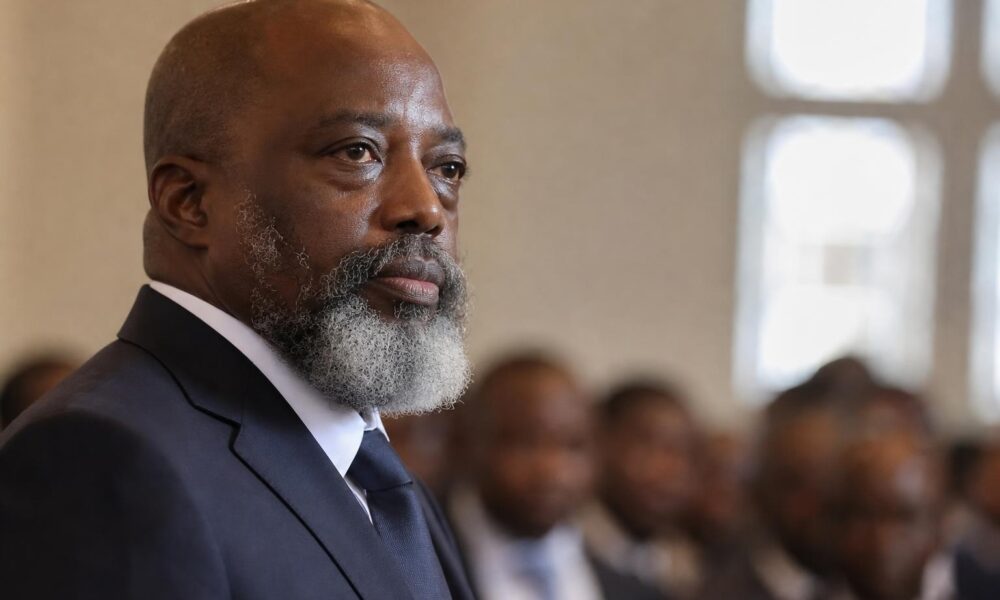
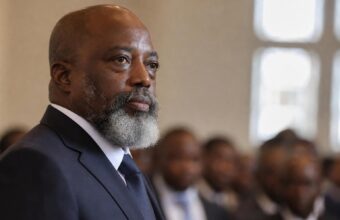
Former Democratic Republic of the Congo President Joseph Kabila has taken leadership of a new political-military coalition challenging President Felix Tshisekedi, deepening uncertainty around the conflict in the country’s east.
Table Of Content
The Front pour la Refondation de la Nation (FRN) was announced in Goma on Monday evening. It brings together figures and forces associated with the Alliance Fleuve Congo (AFC) and the March 23 Movement (M23), replacing the alliance between the two groups.
The coalition has accused Tshisekedi of tyranny and called for resistance by all means, including force. A communique attributed to FRN leader Freddy Kaniki said the AFC had been dissolved and that the new coalition would assume its rights, obligations and commitments, including those linked to negotiations held in Doha.
Conflict and political uncertainty
Goma, the main city in North Kivu province, has remained under M23-AFC control since January last year, according to the source report. The conflict has displaced millions of people and involved neighbouring countries.
M23 says it took up arms after the Congolese government failed to fulfil earlier commitments. The Congolese government and international actors have accused Rwanda of supporting the movement, an allegation Kigali denies while citing security threats from armed groups operating in eastern Congo.
Kabila’s entry into the rebellion places a former head of state with extensive political experience at the centre of the challenge to Tshisekedi. It remains unclear whether he can translate his networks and political influence into wider organised support, or whether his leadership will further complicate attempts to end the war.
Basa Juhudi, a resident of Goma, said Kabila’s involvement had changed his view of the conflict’s prospects.
“The fact that Joseph Kabila has joined the rebellion, bearing in mind that he is our former president and knows this country inside out, means the war is far from over,” Juhudi said. “I am not happy about this frightening situation.”
Juhudi also said he feared for the country’s democratic future, recalling the peaceful transfer of power that brought Tshisekedi to office.
Peace initiatives at risk
The development comes as the United States and Qatar pursue separate diplomatic efforts aimed at ending the conflict. The Doha process has involved the Congolese government and the AFC-M23 alliance, with discussions covering a possible ceasefire, the return of refugees, detainee releases and measures against rhetoric targeting ethnic minorities.
A separate Washington initiative involving the DRC and Rwanda has included commitments concerning the neutralisation of the Democratic Forces for the Liberation of Rwanda and the withdrawal of Rwandan troops from Congolese territory.
Josue Akuzwe Walayi, commenting on the negotiations, warned that Kabila’s move could undermine both initiatives.
“My greatest fear is for the future of the Doha and Washington peace initiatives,” Walayi said. He added that the agreements could become “yet more agreements without any real peace for the Congolese people.”
Vital Kamerhe called on the coalition’s leaders to abandon armed action and pursue dialogue.
“Whatever our frustrations, our differences or our ambitions, nothing, absolutely nothing, can justify us taking up weapons against our own country,” Kamerhe said.
Kabila’s political history
Kabila came to power in 2001 following the assassination of his father, Laurent-Desire Kabila. He was elected president in 2006 and re-elected in 2011. His second constitutional term was due to end in 2016, but elections were delayed.
Tshisekedi took office in January 2019 after being declared the winner of elections held in December 2018. The transfer marked the DRC’s first peaceful transfer of presidential power through elections, according to the source report.
Last year, a Congolese military court sentenced Kabila to death in absentia on charges including treason and war crimes, linking him to the M23 rebellion.
There had been no official government reaction to the FRN’s announcement at the time described in the report. Government spokesman Patrick Muyaya later criticised Kabila in a post on X, saying he had “nothing to offer but chaos” and describing him as a “man of the past, nostalgic for anti-democratic methods”.

No Comment! Be the first one.