
Questions Raised Over IGR Survey on APC and SLPP Flagbearer Race
Questions have emerged over the methodology and interpretation of an IGR survey ranking potential APC and SLPP presidential flagbearers for 2028.

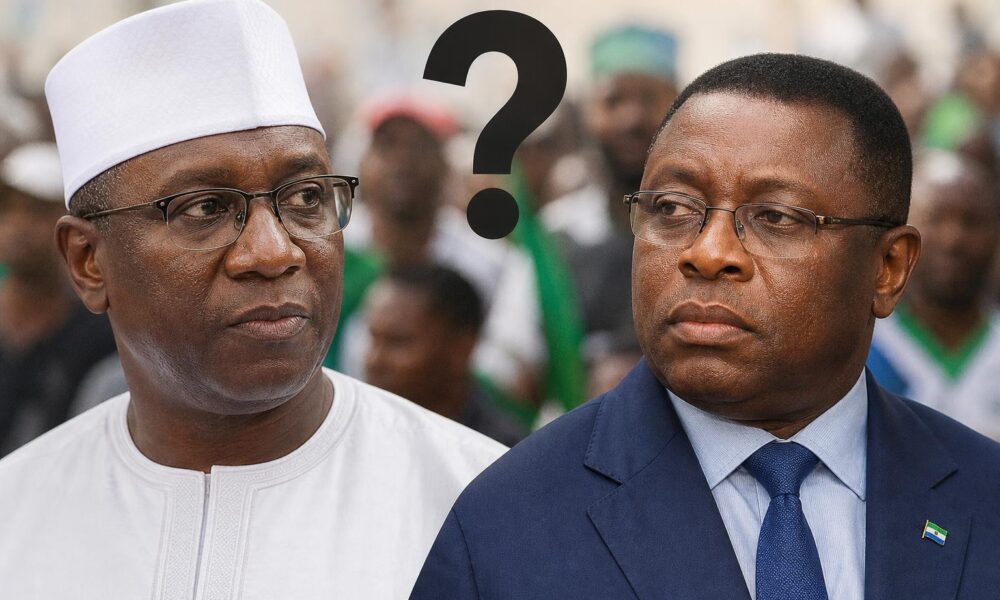
Questions have been raised about the transparency and interpretation of a political survey published by the Institute for Governance Reform (IGR), which ranks potential presidential candidates within Sierra Leone’s All People’s Congress (APC) and Sierra Leone People’s Party (SLPP).
Table Of Content
The report, titled “Sierra Leone’s Political Marathon, Volume II – Battle for 2028: Inside the APC and SLPP Flagbearer Showdown,” was published in October 2026. It says the research covered 2,400 likely voters and 1,025 randomly selected APC and SLPP delegates.
IGR said the survey was intended to reflect both the wider electorate and party delegates involved in selecting presidential candidates. However, the presentation of the findings has prompted questions about whether the results clearly distinguish general party support from the preferences of delegates who will take part in flagbearer contests.
Combined results under scrutiny
The results appear under the heading “Aggregate Vote: Party Supporters and Delegates Votes Combined.” The report does not provide a separate breakdown showing how ordinary supporters and delegates responded, making it difficult to determine the extent to which the rankings reflect delegate preferences.
It also does not disclose how the 1,025 delegate respondents were divided between the APC and the SLPP. Further questions remain about whether the participants were officially accredited delegates, prospective delegates or party members who identified themselves as delegates.
That distinction is significant because popularity among ordinary party supporters may not correspond with support among delegates authorized to vote at party conventions. The report itself acknowledges that delegates may conceal their political preferences because of personal interests, political pressure, financial inducements, party hierarchies and strategic considerations.
Percentages require clarification
In the APC rankings, Mohamed Omodu Kamara, also known as Jagaban, was listed at 65.8%. Three other aspirants were shown at 26.2%, 22.3% and 21.4%.
The displayed figures for the SLPP aspirants were 48.0%, 45.0%, 44.5% and 34.7%. The four APC figures add up to 135.7%, while the four SLPP figures total 172.2%.
Those totals do not by themselves establish that the survey was incorrectly conducted. They do, however, raise questions about how the percentages were calculated. The report does not explain whether respondents could select more than one aspirant, or whether the figures represent approval ratings, first-choice preferences or another measure.
The weighting applied to the different respondent groups is also unclear. The available information does not establish what proportion of Jagaban’s 65.8% came specifically from accredited APC delegates.
Calls for fuller methodology
Further details are also unavailable on the timing of the interviews, response rates, margins of error, geographical distribution or whether official delegate registers were obtained from the two parties. It is likewise unclear whether final delegate lists had been completed when the research was conducted.
IGR has been urged to publish a detailed methodological explanation, including separate numbers for APC and SLPP delegates and results based exclusively on delegate respondents. Clarification has also been sought on delegate eligibility, the combination of supporter and delegate responses, any statistical weighting, and the method used to calculate the reported percentages.
Until those issues are addressed, the rankings are best understood as reported survey preferences rather than conclusive evidence of who will emerge from the APC and SLPP flagbearer contests. The concerns do not, on their own, establish that IGR failed to interview delegates or deliberately manipulated its findings.





No Comment! Be the first one.