
Ethiopian Stakeholders Seek Stronger Financing and Accountability for Hand Hygiene
Stakeholders in Ethiopia have outlined measures to improve hand hygiene systems, including dedicated financing, stronger accountability, better monitoring and renewed multisectoral coordination.

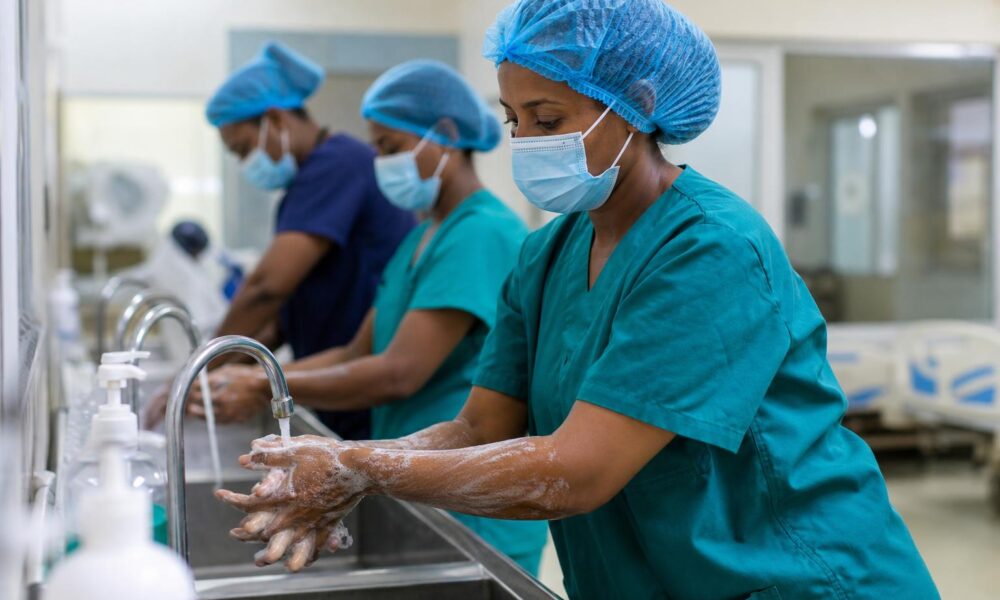
Stakeholders in Ethiopia have identified financing, accountability, coordination and monitoring as key areas requiring attention to strengthen national hand hygiene systems.
The issues were discussed at a national stakeholders’ workshop in Addis Ababa, where representatives from government institutions, development partners, civil society organizations and media reviewed Ethiopia’s Hand Hygiene for All Enabling Environment Assessment.
Representatives from the Ministries of Health, Water and Energy, and Transport took part alongside officials and partners from the World Health Organization, UNICEF, WaterAid, CARE, World Vision, IRC-WASH, iDE, Water For Good and PSI.
Assessment highlights system gaps
The assessment examines the governance, financing, human capacity and monitoring systems that support hand hygiene implementation. Workshop participants reviewed progress and challenges affecting interventions in households, schools, workplaces, public institutions and communities.
Among the challenges identified were insufficient political commitment and prioritization, unclear leadership ownership, weak accountability, fragmented financing, limited human and institutional capacity, and inadequate monitoring and information systems.
Participants also noted that hand hygiene often receives greater attention during public health emergencies, while routine implementation and sustained investment can lose momentum afterward.
Waltaji Terfa Kutane, Health and Environment Officer at WHO Ethiopia, said hand hygiene should become part of regular planning across sectors.
“Hand hygiene is a highly cost-effective way to protect health, and COVID-19 demonstrated that it is a frontline defence in emergency and pandemic response. Yet attention too often fades once the emergency passes. We need sustained political commitment, dedicated financing, and clear accountability to make hand hygiene part of routine planning in every sector,” Kutane said.
Proposed actions
Workshop participants recommended incorporating hand hygiene into sector plans, budgets and performance reviews. They also called for dedicated financing and systems to track expenditure, as well as improvements in technical and institutional capacity.
Strengthening data collection and use was identified as another priority, alongside clearer accountability arrangements. Participants also urged the development and distribution of standards and targets tailored to different community settings.
The workshop called for existing multisectoral coordination platforms to be revitalized and for closer collaboration between the health, water, education and other sectors.
Stakeholders agreed to maintain dialogue, strengthen partnerships and pursue joint resource mobilization. They also emphasized the importance of translating the WHO and UNICEF Guidelines on Hand Hygiene in Community Settings into practical measures that improve access, encourage behaviour change and reinforce national systems.
Recommendations from the assessment and workshop discussions will be shared with relevant ministries and decision-makers to support high-level action and implementation of the Hand Hygiene for All roadmap.
Hand hygiene is observed internationally through Global Handwashing Day each year on 15 October and is recognized as a cost-effective public health measure for preventing infectious diseases and supporting community resilience.





No Comment! Be the first one.