
Djezzy Receives Algeria’s First Authorization to Form a Payment Services Provider
Algeria’s Monetary and Banking Council has authorized Djezzy Payment Services to constitute as a payment services provider, opening a possible route into digital payments while requiring further...
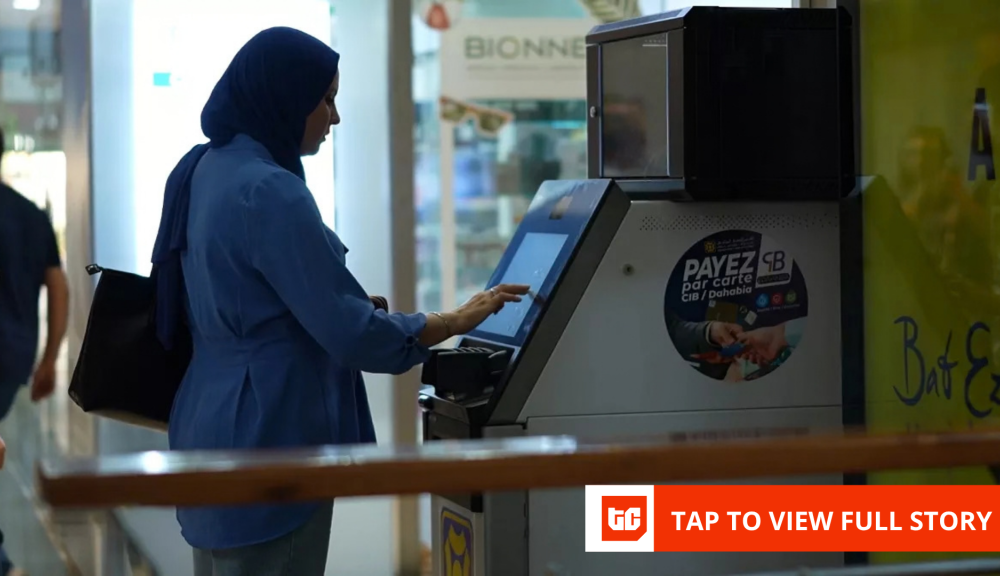
Djezzy Payment Services has received Algeria’s first authorization to constitute as a payment services provider since the creation of the country’s PSP category.
Table Of Content
The authorization was granted on 23 September 2026 by Algeria’s Monetary and Banking Council, chaired by the Governor of the Bank of Algeria. Djezzy Payment Services is a subsidiary of Optimum Telecom Algeria.
The decision is an initial regulatory step rather than permission to begin serving customers. Djezzy has 12 months from notification of the authorization to submit an application for approval to the Bank of Algeria. Until that subsequent approval is granted, the company cannot process customer funds.
A new route into digital payments
Algeria established the legal basis for payment service providers through Law 23-09, adopted in June 2023. The sector is governed by Regulation 25-02, dated 14 April 2025.
Djezzy’s authorization may provide a clearer reference point for other businesses seeking to enter the sector. TechCabal reported that prospective providers previously lacked a clear model for the documentation and requirements expected by the regulator.
The company is Algeria’s second-largest mobile operator, behind public operator Mobilis and ahead of Ooredoo, according to the report. Djezzy had about 17 million subscribers in early 2025, representing approximately 31% of the mobile market. Mobilis held 43.7%, while Ooredoo accounted for 25.4%.
The Algerian state has held a majority stake in Djezzy through the National Investment Fund since 2022, following the purchase of VEON’s stake for a reported $682 million.
Potential impact on payments
Once approved, Djezzy could potentially develop payment services beginning with airtime credit and later expanding into digital wallets and merchant payments. However, no product launch, customer-service scope or rollout date has been confirmed.
Algeria’s retail digital-payment activity is largely linked to banks and Algérie Poste. The Edahabia card and BaridiMob application are among the main services used by consumers, while GIE Monétique and SATIM form part of the country’s electronic-payment infrastructure.
GIE Monétique recorded 939 billion Algerian dinars in electronic payments during 2025, a 46% increase from the previous year. Cash withdrawals through automated teller machines reached 4,397 billion dinars, while the number of payment terminals stood at 78,774 in December 2025.
The country still has significant room to expand formal financial access. The World Bank’s Global Findex 2025 estimates that approximately 35% of adults in Algeria hold an account, leaving about 20.7 million people aged 15 and older outside the formal financial system, according to figures cited by TechCabal.
VaulFi cofounder and chief executive Safa Korti said the identity of the first, second or third PSP mattered less than how the authorization was used. “Au bout du compte, peu importe qui l’obtient en premier, en deuxième ou en troisième — ce qui compte, c’est ce qu’on va en faire,” Korti said.
Regulatory and infrastructure constraints remain
A PSP authorization would not by itself remove Algeria’s foreign-exchange restrictions. Multi-currency products would remain subject to Bank of Algeria rules and the arrangements providers maintain with partner banks.
The eventual effect of the authorization will also depend on interoperability between PSP accounts, bank accounts, BaridiMob and the GIE Monétique network. Without sufficient connections between those systems, the market could develop into separate, closed payment circuits.
Djezzy’s final application and the outcome of the Bank of Algeria’s approval process have not been announced.





No Comment! Be the first one.