
Algeria lawmakers approve death penalty for convicted forest arsonists
Algerian lawmakers have approved legislation allowing the death penalty for convicted forest arsonists and for certain child-kidnapping offenses involving torture, sexual assault or mutilation.

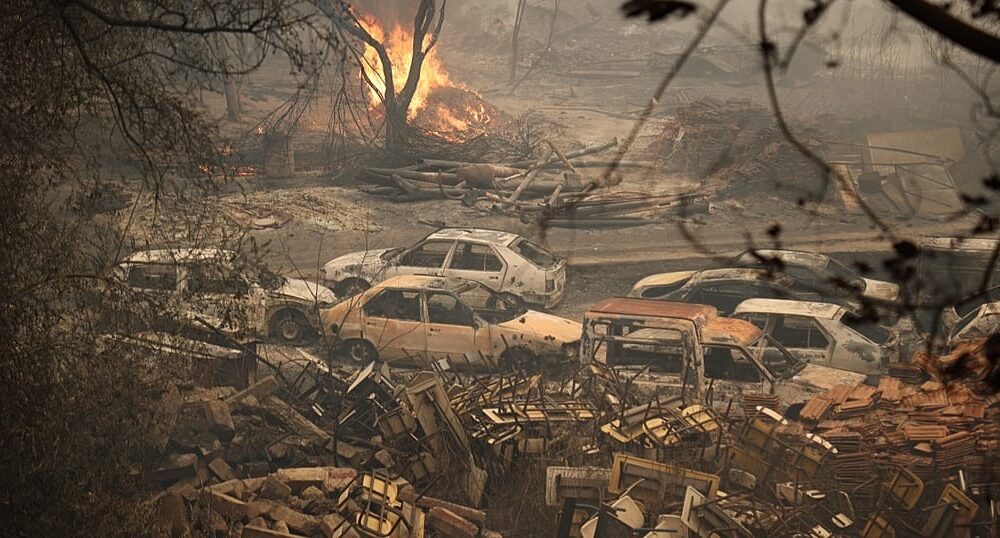
Algerian lawmakers have approved a law that would allow convicted forest arsonists to face the death penalty, following deadly wildfires in the country.
The measure covers people found guilty of deliberately setting fire to forests, woods, or planted and unplanted fields. Lawmakers also voted to extend capital punishment to child-kidnapping cases involving torture, sexual assault or mutilation.
The legislation is scheduled for review by the Senate before it can be officially ratified by President Abdelmadjid Tebboune. The available information does not indicate whether either step has been completed.
Government justification
Justice Minister Lotfi Boudjemaa told Parliament that arson had reached “the level of organised crime”. He also said investigations had uncovered links to “foreign parties”, a claim that has not been independently verified.
Boudjemaa said the government considered the death penalty an appropriate response. “The adoption of the death penalty for these acts is the appropriate legal response to curb these crimes,” he said after the vote.
He described deliberate attacks on Algeria’s environmental and economic assets as a form of treason and an assault on the country’s territorial integrity, including when fires were allegedly instigated by foreign actors.
President Tebboune had alleged that there was “something criminal” behind the latest summer blazes. That allegation has also not been independently established in the available information.
Wildfire deaths and criticism
The official death toll from the fires was 12, while witnesses reported that dozens had died. The blazes swept through northeastern Algeria during the summer, a period when forest fires regularly affect northern parts of the country.
Climate change has increased the impact of those seasonal fires through more frequent droughts and intense heat, according to the supplied information.
Amnesty International criticised the legislation as “a deeply retrograde response”. The rights organisation said authorities should instead “focus on protecting lives, strengthening prevention and emergency response”.
Death penalty moratorium
Algeria has maintained a moratorium on executions since 1993. Courts have continued to issue some death sentences, including in terror-related cases, but no executions have been carried out so far.
Boudjemaa said the judicial system includes safeguards for people facing capital punishment, including avenues for appeal and the possibility of seeking a presidential pardon.
Tebboune ordered the justice minister in August to amend the penal code and broaden the list of crimes for which capital punishment is allowed. The latest law will require Senate review and presidential ratification before it becomes official.




No Comment! Be the first one.