
Blasts Reported in Addis Ababa as Ethiopia’s Northern Conflict Escalates
Blasts were reported overnight in Addis Ababa as fighting between Ethiopian federal forces and an armed opposition coalition widened in the north, while Ethiopia intensified its diplomatic dispute...

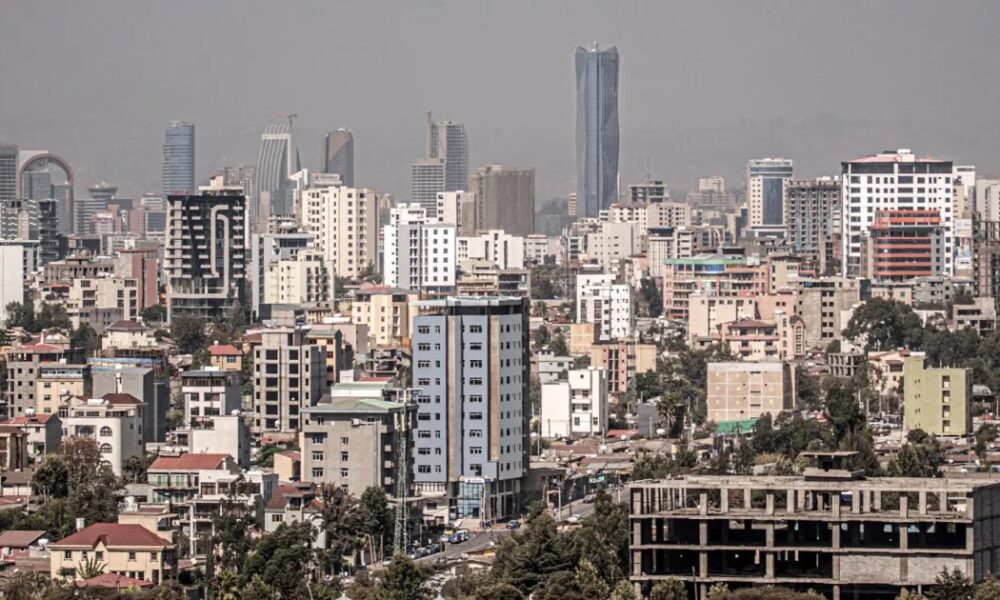
Blasts were heard overnight in Ethiopia’s capital, Addis Ababa, as fighting between federal forces and an armed opposition coalition widened across the country’s northern regions.
Three diplomatic sources told Reuters that explosions were heard in the city after Ethiopian authorities prohibited drone flights over Addis Ababa and nearby areas. The cause of the blasts and those responsible have not been independently confirmed.
A source linked to the Ethiopian Peoples’ Forces Alliance for Survival claimed that the coalition had carried out several drone strikes in the capital, including attacks aimed at military headquarters. That allegation has not been independently verified.
Fighting reported near Mekelle
Clashes have been reported in the Afar region, while fighting has moved from Amhara into Tigray as government forces advance north, according to reporting attributed to Al Jazeera correspondent Muhammed Taha Tawakel.
Tawakel reported that federal forces had reached a position about 40 kilometres from Mekelle, the capital of Tigray. He also said the Tigray People’s Liberation Front had withdrawn fighters to new positions and that some of its leaders had left the city. The reported movements have not been independently verified.
Thousands of civilians reportedly fled Mekelle amid fears of further clashes. Electricity and internet services in the region were also cut, according to Tawakel.
The TPLF has described its large offensive as a “defensive war” against federal drone and artillery strikes. Government troops and allied fighters later launched a counteroffensive.
Ethiopian forces told Reuters they had recaptured Erebti and Abaala in Afar, but that claim remained unconfirmed. More than 80,000 Afar residents were reportedly trapped around the two locations, with the situation facing them uncertain.
Diplomatic confrontation with Eritrea
The Ethiopian government has accused neighbouring states of supporting the opposition coalition, although the states involved have denied the allegations. Fighting has also been reported along Ethiopia’s borders with Eritrea and Sudan.
Ethiopia’s Foreign Ministry accused Eritrea of “direct and indirect acts of hostility and belligerence against Ethiopia”. The government announced that it would close its embassy in Asmara and ordered 10 Eritrean diplomats in Addis Ababa to leave within 48 hours.
The ministry said the diplomats had engaged in activities that posed “a direct threat to Ethiopia’s national security” and accused them of violating the Vienna Convention on Diplomatic Relations. It urged Eritrea to “cease all acts that are contrary to the principles governing relations between sovereign states”.
Eritrea has denied supporting the opposition alliance. The competing claims about Eritrean involvement have not been independently resolved.
The opposition alliance brings together seven armed groups, including the TPLF and organisations from the Amhara, Afar, Somali and Benishangul-Gumuz regions. It was formed in an effort to remove Prime Minister Abiy Ahmed’s government.
Ahmed Hussein, Afar’s deputy governor, said the attack on the region sought to undermine the Afar administration and install figures loyal to Eritrea. He called on Asmara to withdraw from Afar territory and held Eritrea responsible for the safety of civilians in areas controlled by opposition groups.
Tawakel warned that continued fighting in Afar could have wider regional consequences, including the risk of a broader conflict between Ethiopia and Eritrea. He also said disruption to routes linking Ethiopia with Djibouti could threaten food security.
The Ethiopian Foreign Ministry said the country remained committed to the “peaceful resolution of disputes” and regional integration in the Horn of Africa.





No Comment! Be the first one.