
Uganda expands sickle cell screening as gene therapy remains out of reach
Uganda is expanding newborn screening and hydroxyurea treatment for sickle cell disease, while gene therapy remains inaccessible to most people who need it.

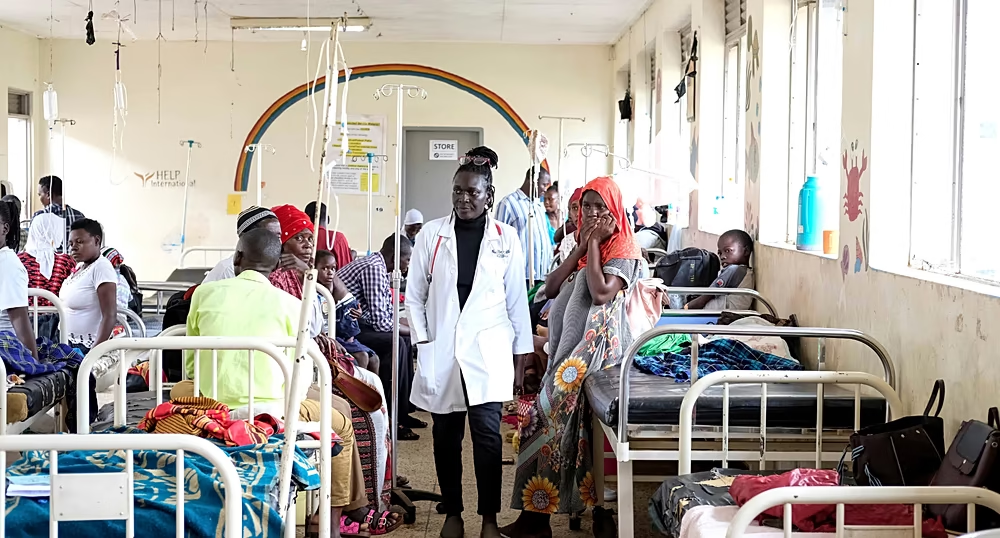
Uganda is strengthening its response to sickle cell disease through expanded newborn screening and wider use of hydroxyurea, although gene therapy remains beyond the reach of most patients who could benefit from it.
Table Of Content
Nearly 20,000 newborns in the country are affected by sickle cell disease each year, according to the source report. The inherited blood disorder causes severe pain, and delayed diagnosis can lead to serious complications.
Many children in Africa who have the condition die before reaching the age of five because their illness is identified late. Uganda has scaled up mandatory screening for newborns across the country in an effort to detect the disease earlier.
Delayed diagnosis brings severe complications
Irene Nalukwago said her daughter appeared healthy at birth but began falling sick and developing anaemia when she was six months old. Tests later confirmed that the child had sickle cell disease.
Now 12, Nalukwago’s daughter has experienced repeated attacks over the years. Her mother recalled one particularly serious episode, saying: “She became paralysed on the left side of her body; I just had to carry her.”
Nalukwago also said her daughter received blood transfusions almost every week during the twelve-year journey to a sickle cell clinic in Kayunga.
Medical professionals say early diagnosis and regular monitoring can help manage the disease and identify problems before they become severe. Routine check-ups can also help patients avoid life-threatening complications, including strokes, while easing pressure on already stretched health workers.
Hydroxyurea available at Kayunga clinic
At the sickle cell clinic at Kayunga Referral Hospital, children are being introduced to hydroxyurea at an early age. Dr Isaac Tumusiime said treatment begins as early as nine months.
“All our children are started on hydroxyurea as early as nine months,” Tumusiime said.
The oral prescription medicine can reduce the frequency of painful attacks and lessen the need for blood transfusions. Tumusiime said the clinic has a continuous supply of the drug, helping patients remain on treatment.
“And there is continuous supply so there is good adherence to the treatment as well, so most of the children have managed to survive through this setup,” he said.
Regular follow-up remains important because sickle cell disease can cause severe health problems. Doctors say monitoring allows complications to be detected early and supports ongoing care for affected children.
Gene therapy offers hope but limited access
Gene therapy has been introduced in some countries as a treatment that could potentially end years of suffering for many people with sickle cell disease. However, it remains inaccessible to the majority of those who need it.
The treatment’s cost and availability were not detailed in the source report. Tumusiime expressed hope that gene therapy could eventually become affordable.
“with a hope that maybe one day gene therapy could be affordable,” he said.
For now, Uganda’s response is focused on identifying affected children earlier, maintaining access to hydroxyurea and encouraging regular medical monitoring. These measures offer practical support to families while advanced treatment remains unavailable to most patients.





No Comment! Be the first one.