
Yemen Hunger Crisis Deepens as Fighting Displaces Thousands, WFP Warns
Food insecurity is worsening across Yemen as intensified fighting displaces families, interrupts supplies and leaves the World Food Programme seeking $109 million to expand emergency assistance.

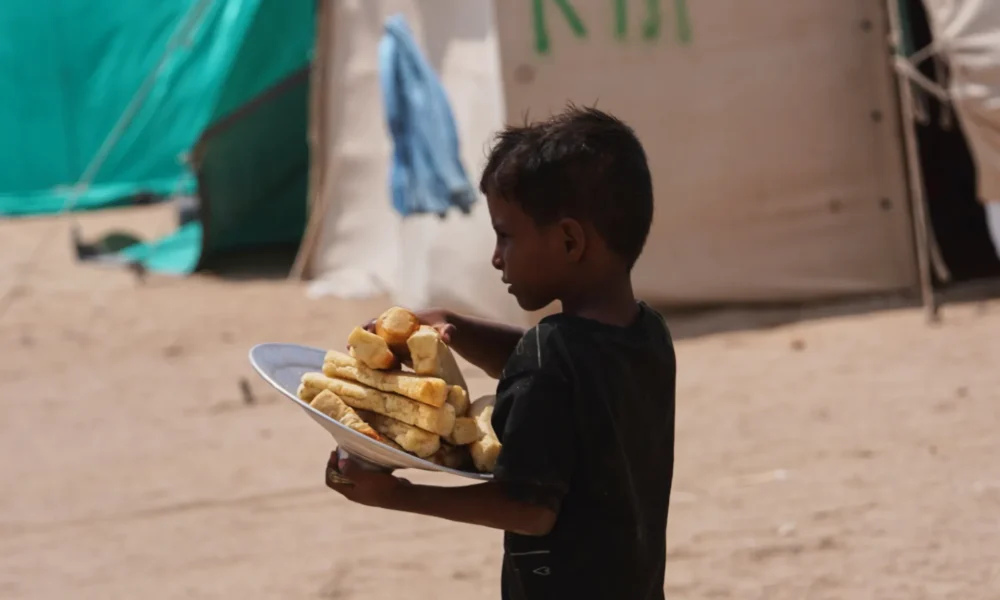
Food insecurity is deepening in Yemen as intensified fighting displaces tens of thousands of people and interrupts food supplies, the World Food Programme has warned.
Table Of Content
The agency said 74 percent of households in accessible areas controlled by Yemen’s internationally recognised government are unable to meet their basic food needs. The figure is the highest recorded there this year, according to the WFP.
Those areas are home to an estimated 10 million people. The WFP said displaced families arriving outside Aden and around Taiz were reaching temporary locations without food or water after leaving their homes.
Displacement and food shortages
More than 149,000 people have been displaced across Yemen, many of them more than once, according to the International Organization for Migration.
The WFP also reported that more than 3,700 people fleeing the fighting had reached Djibouti through the Bab el-Mandeb Strait by late September.
Matthew Hollingworth, the WFP’s assistant executive director for programme operations, said the latest escalation could have a severe effect on food security.
“We are looking at a hunger crisis that is going to grow as it persists,” Hollingworth told reporters in Geneva by video link from Rome.
He said the escalation “threatens to be absolutely devastating” for food security.
The WFP estimates that 18.3 million people across Yemen face severe food insecurity. It also reports that 2.2 million children under five are acutely malnourished.
WFP seeks emergency funding
The agency said it is expanding its response to reach up to 1.5 million people, but needs $109 million to carry out the plan.
The WFP has diverted resources from food distributions planned for November and warned that vulnerable displaced people could face gaps in assistance within a month if additional funding is not secured.
Yemen imports about 90 percent of its food, leaving supplies vulnerable to disruption caused by conflict and interruptions to key shipping routes. Hollingworth warned that disruption around the Bab el-Mandeb Strait and the Strait of Hormuz could push food and fuel prices higher around the world.
Conflict continues to reshape Yemen
Saudi-backed government forces and the Iran-aligned Houthi group control different parts of Yemen. The Houthis control much of the north, including the capital, Sanaa, while the internationally recognised government is based in the southern port city of Aden.
The Houthis seized Yemen’s Red Sea coast from the internationally recognised government last month, according to the source report.
The current fighting is described as the most serious escalation between Saudi Arabia and the Houthis since a United Nations-brokered truce in 2022 largely halted cross-border attacks.
The conflict risks further altering territorial control and disrupting shipping through the Red Sea, adding pressure to a food system already facing extensive needs.



No Comment! Be the first one.