
EU Reviews €18 Million Sierra Leone Funding Amid Extradition Concerns
European Union budget support for Sierra Leone is under assessment amid concerns over cooperation in the extradition case involving wanted Dutch fugitive Jos Leijdekkers.

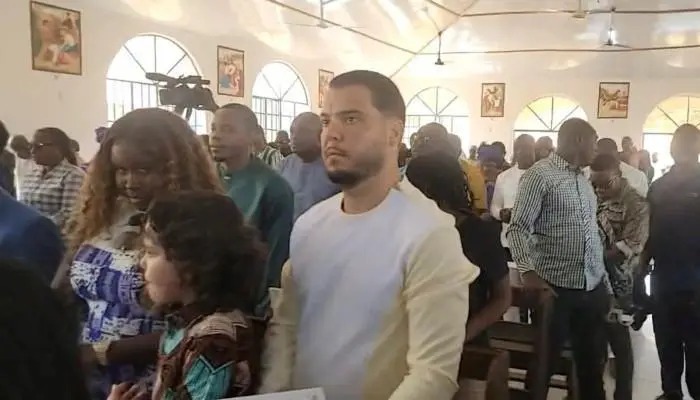
European Union budget support for Sierra Leone is under assessment amid concerns over the country’s cooperation with efforts to extradite wanted Dutch fugitive Jos Leijdekkers, according to the European Commission and reporting by the Sierra Leone Telegraph.
Table Of Content
The Commission said the €18 million disbursement initially expected for 2026 was being reviewed and that no payment was currently planned. It also said remaining programmes benefiting Sierra Leone’s population would continue through external implementing partners rather than being channelled through the Government of Sierra Leone.
Commission outlines funding position
Luca Dilda, a press officer for Foreign Affairs and Security Policy and the Mediterranean at the Commission’s Directorate-General for Communication, said: “The €18 million disbursement initially foreseen for 2026 is currently under assessment and no disbursement is currently planned.”
Dilda added that “the management of the remaining ongoing programmes benefitting the population has been delegated to external implementing partners and is not channelled through the Government of Sierra Leone.”
The position follows reports that the EU had halted or withheld financial support. However, the Commission’s statement describes the 2026 funding as under assessment rather than confirming a permanent suspension. The source also reports that no decision had been made on the further €20.5 million that Sierra Leone was expected to receive in 2027.
Sierra Leone’s Ministry of Information said the government had been informed of the EU’s decision.
Extradition dispute linked to aid decision
The funding review has been linked by the source to concerns over the extradition of Leijdekkers, also known as Bolle Jos. Dutch justice minister David van Weel told De Telegraaf that payments had been stopped because the Sierra Leone government was not cooperating with the extradition.
“I am very pleased with this move. It is deeply galling that European Union funds are going to a country that refuses to cooperate with the extradition of someone like Bolle Jos,” Van Weel was quoted as saying.
The European Commission has also expressed concern about drug trafficking in Sierra Leone and the wider West African region.
Leijdekkers, who is described as being from Breda in the Netherlands, has been on Dutch and Europol wanted lists since 2022, according to the source. A Rotterdam court sentenced him in absentia to 24 years in prison on 25 June 2024 for cocaine trafficking and ordering a murder.
Belgian courts later imposed an additional eight-year sentence in a case involving an 11-tonne shipment linked to Sierra Leone and destined for Antwerp. The cargo, hidden in palm kernel meal, was reported to have a street value of €550 million.
Questions over alleged Sierra Leone links
The Sierra Leone Telegraph reports that Leijdekkers is believed to have become a Sierra Leonean citizen after marrying President Bio’s daughter and fathering her son. That reported connection has not been independently established in the supplied information.
Van Weel previously estimated that Leijdekkers earned hundreds of millions of euros per month, and said such wealth could have a corrupting effect in a country with a lower gross national product. The source does not establish that the fugitive is currently in Sierra Leone or confirm the existence of formal extradition proceedings.
The EU allocated €325 million in development assistance to Sierra Leone for the 2021–2027 period. The current review places the 2026 budget support under scrutiny, while other programmes are being implemented through partners outside the government’s financial channels.




No Comment! Be the first one.