
Uganda expands newborn screening and early treatment for sickle cell disease
Uganda has expanded mandatory newborn screening for sickle cell disease and introduced early hydroxyurea treatment for children at Kayunga Referral Hospital, but gene therapy remains beyond the reach...

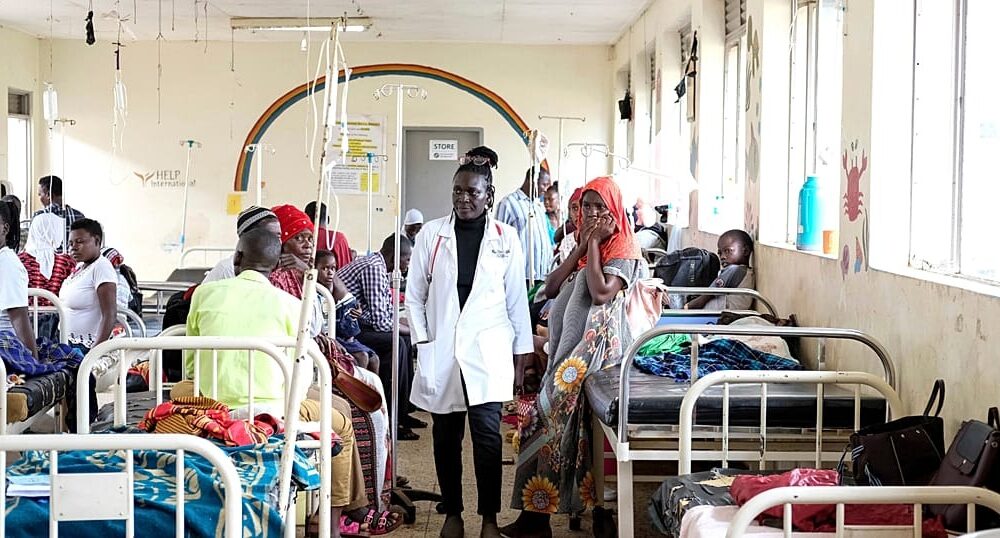
Uganda is strengthening its response to sickle cell disease through expanded mandatory newborn screening and earlier treatment, as the inherited blood disorder continues to affect nearly 20,000 newborns each year.
Table Of Content
The disease can cause severe pain and complications including strokes. Medical professionals say identifying it early is vital because treatment and monitoring can begin before the condition becomes severe.
Screening and early treatment
Uganda has scaled up mandatory screening for newborns across the country. The move is intended to reduce the number of children who spend years without a diagnosis or appropriate care.
At the treatment setup at Kayunga Referral Hospital, children are started on hydroxyurea as early as nine months, according to Dr Isaac Tumusiime. The oral prescription medicine lowers the frequency of painful attacks and reduces the need for blood transfusions.
“All our children are started on hydroxyurea as early as nine months,” Tumusiime said.
He also said the treatment supply in the setup has been continuous, supporting adherence. According to Tumusiime, most of the children treated through the setup have survived.
Doctors say routine check-ups and regular monitoring can help identify complications early, giving patients a better chance of living longer and healthier lives. Many children with sickle cell disease in Africa, however, die before the age of five because they are diagnosed late.
A family’s experience
Irene Nalukwago described the difficulties faced by her 12-year-old daughter before treatment and care were established. She said the child began falling sick and becoming anaemic at six months old and initially required blood transfusions almost every week.
Nalukwago said repeated attacks eventually left her daughter paralysed on the left side of her body.
“She became paralysed on the left side of her body; I just had to carry her,” she said.
The report also describes a 12-year journey to a sickle cell clinic in Kayunga, highlighting the challenges families can face in obtaining specialised care.
Gene therapy remains unaffordable for most
Scientific advances have raised the possibility of gene therapy providing a long-term solution for some people living with sickle cell disease. The treatment has been rolled out in some countries and could potentially end years of suffering for many patients.
However, gene therapy remains out of reach for the majority of people who need it most. Tumusiime said parents are encouraged to continue managing their children with hydroxyurea while hoping that gene therapy will eventually become affordable.
“With a hope that maybe one day gene therapy could be affordable,” he said.
For now, Uganda’s expanded screening programme, early hydroxyurea treatment and regular monitoring remain central to managing the disease and reducing its most serious effects.




No Comment! Be the first one.