
Senegal’s $2.2bn IMF Programme Renews Debate Over Debt Sovereignty
Senegal and the IMF have announced a $2.2 billion loan programme as concerns over concealed debt fuel calls for an independent audit, stronger oversight and regional cooperation.
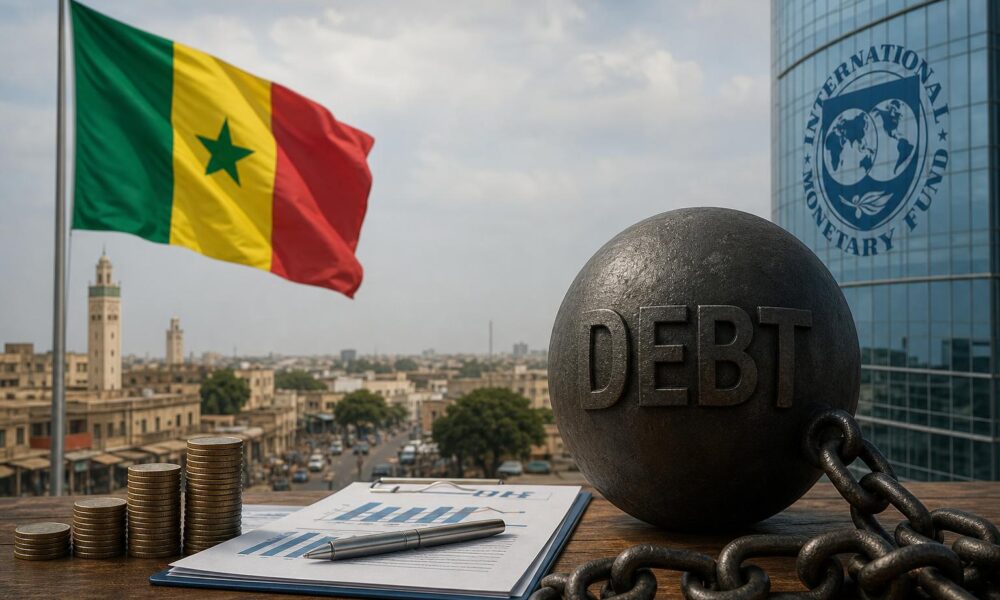
Senegal and the International Monetary Fund have announced a new loan programme worth $2.2 billion, as the country continues to confront the consequences of previously undisclosed borrowing and a suspended IMF agreement.
Table Of Content
An analysis published by Al Jazeera argues that Senegal should use the debt crisis to pursue greater financial sovereignty rather than repeat what it describes as traditional structural-adjustment policies. The proposals include a citizens’ debt audit, accountability for those involved in borrowing and stronger protection for social spending and productive investment.
Debt disclosure triggered political debate
The earlier IMF-Senegal agreement was suspended after concealed debt was discovered in July 2024. According to the analysis, the undisclosed obligations were equivalent to about 25 percent of Senegal’s gross domestic product, pushing public debt above 130 percent of GDP.
The revelation prompted public anger and debate over the management of the country’s finances. Senegal’s real public debt at the end of 2023 was subsequently recalculated at 99 percent of GDP, compared with an initially reported 74 percent. The article says the IMF attributed the reporting error to the Senegalese government.
The sovereignty agenda that emerged from the controversy helped the governing Pastef party win 80 percent of parliamentary seats in elections held in November 2024, according to the analysis. It argues that the government’s reliance on international financial institutions risks weakening the mandate that voters gave it.
Calls for an independent audit
The article recommends an independent examination of debt contracted between 2019 and 2024. That review, it says, should assess the responsibility of arrangers, creditors and the IMF’s surveillance process, while determining whether the borrowing was legal, legitimate and beneficial to Senegalese citizens.
It also proposes suspending payments on disputed debt for the duration of the audit. Parliament and civil society would play a role in creating the conditions for what the article describes as a citizens’ debt audit.
Other recommendations include prior parliamentary authorization for public borrowing, full disclosure of debt agreements, changes to fiscal policy and improved management of hydrocarbon revenues. On taxation, the analysis advocates targeting extractive industries and wealthy individuals instead of imposing broad increases while reducing social spending.
Regional cooperation proposed
The analysis points to Zambia and Ethiopia as examples of African countries that have struggled with debt management while participating in IMF programmes. Ethiopia requested treatment under the G20 Common Framework in February 2021 and agreed terms with creditors in March 2025, according to the article.
For Senegal, it proposes closer cooperation with other African debtor countries through the Borrowers’ Platform and the African Union. It also calls for governments across the continent to seek a binding 20-to-30-year moratorium on debt service.
Further proposals include regional mutualisation of liquidity risks within the West Africa Economic and Monetary Union and a strategic process toward establishing a currency with other countries that use the West African CFA franc.
Senegal has repeatedly sought IMF assistance since 1979. In 2004, it received $488 million in debt cancellation under the Heavily Indebted Poor Countries Initiative, alongside conditions including the privatisation of state companies and deregulation.
The analysis concludes that Senegal should prioritise debt treatment, auditing and accountability before accepting new conditionality. It says the country must avoid simply adopting a more closely managed version of structural adjustment.




No Comment! Be the first one.