
Rising Tide Africa Commits Up to $1 Million to Nigeria’s Ororo Waste
Rising Tide Africa has committed up to ₦1.4 billion ($1 million) to Lagos-based Ororo Waste Management Limited to expand used cooking oil collection infrastructure across Nigeria.

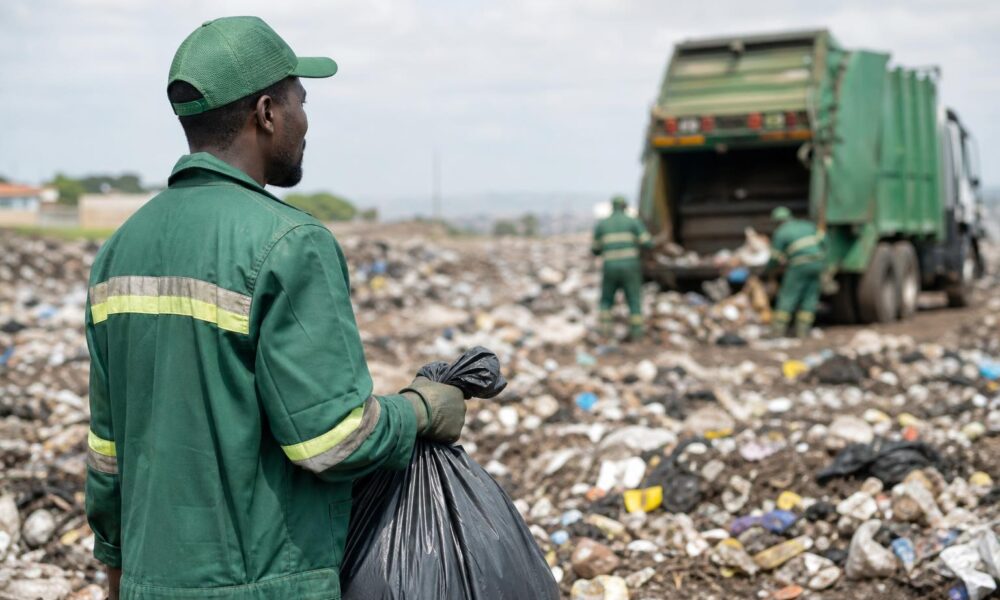
Rising Tide Africa has committed up to ₦1.4 billion ($1 million) to Lagos-based Ororo Waste Management Limited, backing the company’s plans to expand used cooking oil collection infrastructure and increase the number of formally paid collectors across Nigeria.
Table Of Content
The capital will be used to purchase used cooking oil from Ororo Waste’s collector network, support working capital and cover operating costs at its collection hubs. The company received the first allocation on September 16, while additional funding may be available through December 16. The exact amount disbursed in the first allocation was not disclosed.
Expansion targets
Ororo Waste currently operates three collection hubs in Lagos, Abuja and Port Harcourt. It plans to expand that network to more than 40 hubs across Nigeria over the next five years.
The company also says it aims to grow its formally paid collector network from roughly 5,000 people to more than 200,000 by 2031. Its preliminary collection target is to increase certified used cooking oil volumes from a few thousand metric tonnes exported to date to more than 150,000 tonnes annually by the same year.
Ororo Waste collects used cooking oil from households, markets, restaurants and other institutional generators. The company was founded in 2021 and says it is certified under the International Sustainability and Carbon Certification system as a collector and exporter of used cooking oil.
Its collection platform uses Global Positioning System and quick response codes to track oil from the collector through to the export container.
Focus on collector incomes
The investment also establishes a development-impact partnership between Ororo Waste and Rising Tide Africa. Both organisations have agreed to monitor how the planned expansion affects people involved in the collection network.
Ororo Waste expects to complete a baseline income survey of its first formally onboarded collector cohort by the end of 2026. The company plans to use income, employment and gender-related data in its environmental, social and governance reporting.
“Refiners in Europe don’t buy good intentions—they buy documented, ISCC-certified tonnes. Rising Tide’s capital helps fund the unglamorous but necessary part—drums, trucks, hub storage, and the working-capital float that lets us pay a market woman in Alausa the same day she sells to us,” said Ayo Banjo, co-chief executive officer of Ororo Waste.
Yemi Keri, co-founder of Rising Tide Africa, said market women and waste pickers already carry out much of the collecting but have rarely been paid fairly at scale.
“Our capital helps fund the infrastructure that pays those women the same day, for a commodity that some of the world’s largest offtakers are already contracted to buy,” Keri said.
Training and collection infrastructure
In July, Ororo Waste and its partners trained roughly 250 market women, waste pickers and youths in Lagos on the safe collection, handling and storage of used cooking oil. The programme was held with the Lagos Chamber of Commerce and Industry and involved work with the Lagos State Environmental Protection Agency, the Shell Foundation and the Waste Pickers Association of Nigeria.
The initiative formed part of a partnership between Ororo Waste and the Lagos State government to expand household used cooking oil collection through LASEPA’s zonal offices.
Nigeria consumes an estimated 1 million tons of vegetable oil annually and produces about 1.4 million metric tonnes of palm oil each year. However, formal infrastructure for collecting and recovering used cooking oil remains limited.
Banjo said the company intended to use its infrastructure expansion to provide income opportunities at scale. “We are very honoured to be in a position to deploy infrastructure that will offer dignified incomes to several hundred thousand women, at a minimum,” he said.






No Comment! Be the first one.