
South Africa Records 43 Suspected Political Killings Ahead of Local Elections
A report by the Global Initiative Against Transnational Organised Crime says at least 43 people were killed in suspected politically linked attacks in South Africa through September, ahead of local...

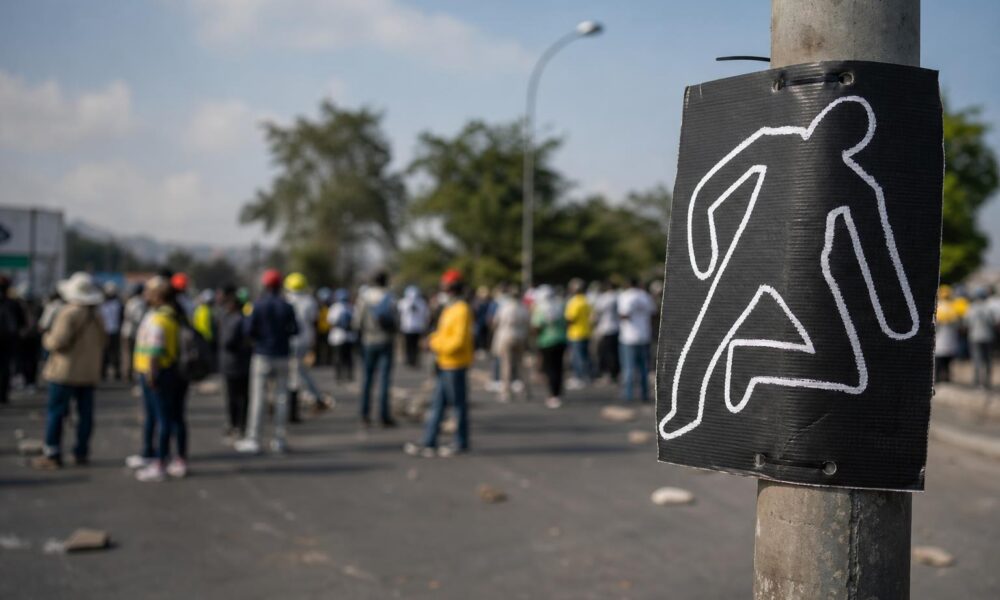
At least 43 people were killed in suspected politically linked attacks in South Africa through September, according to a report by the Global Initiative Against Transnational Organised Crime (GI-TOC).
The organisation said its database recorded 45 politically linked attacks through September 30. The figures were published ahead of South Africa’s local government elections, which are scheduled for November 4.
KwaZulu-Natal records most attacks
Most of the reported attacks took place in KwaZulu-Natal, followed by Gauteng, where the database recorded 10 attacks. The report did not provide a complete provincial breakdown of the incidents.
Of those killed, 13 were identified as being from the ANC and eight from the MK Party, according to the GI-TOC report titled Bullets and Ballots. The organisation did not provide the identities of the people who died.
The report describes the incidents as suspected political assassinations and politically linked attacks. It does not establish that every death or attack was definitively politically motivated.
Election pressure
GI-TOC said the death toll had already surpassed the full-year total recorded since it began monitoring politically linked violence in 2015.
The organisation warned that the “highest-risk months” were still ahead as competition for political power intensified before the elections.
The local government vote is expected to test support for the ANC before the 2029 national elections. The party, which has been South Africa’s largest since the end of apartheid in 1994, lost its national majority in 2024.
Political parties are seeking to benefit from public disillusionment linked to problems including collapsed infrastructure, crime and corruption, according to the report.
The MK Party, led by former president Jacob Zuma, has its strongest base in KwaZulu-Natal. Political party officials, ward councillors, members of civic organisations and movements, and traditional leadership have all been identified in the report’s broader account of groups exposed to political violence.


No Comment! Be the first one.