
Eight Peninsula Communities Sign Coastal Conservation Declaration
Leaders from eight Western Area Peninsula communities have signed a declaration supporting joint action to protect beaches, strengthen conservation and promote sustainable tourism.

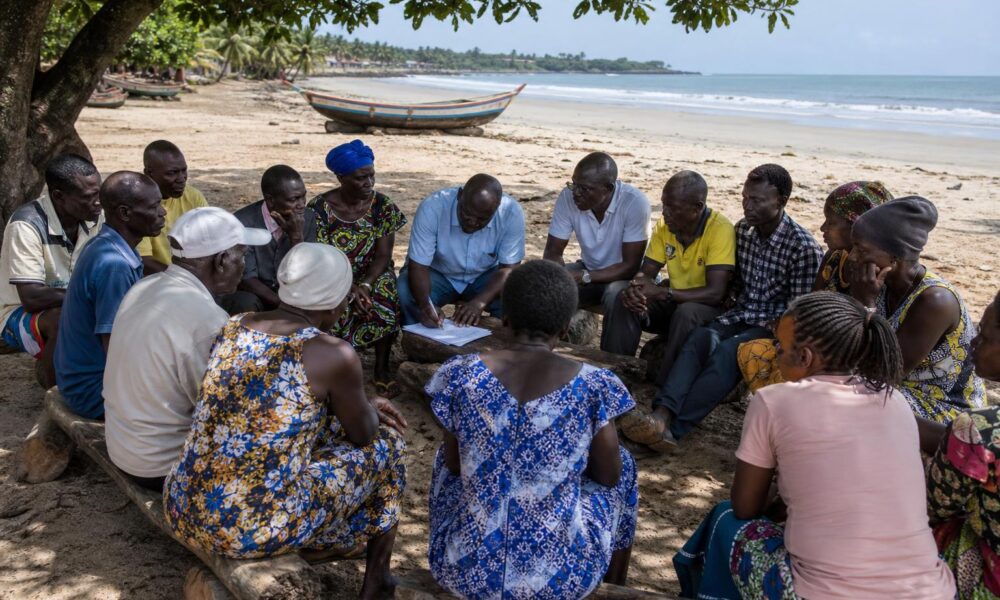
Leaders from eight coastal communities on Sierra Leone’s Western Area Peninsula have signed a declaration committing to the collective protection and sustainable management of beaches and coastal environments.
Table Of Content
The declaration was signed on September 28, 2026, during a coastal dialogue organised by the Ministry of Tourism and Cultural Affairs at Bureh Beach. Representatives of the National Tourist Board and the Monuments and Relics Commission witnessed the engagement.
The dialogue formed part of activities commemorating World Tourism Day and brought community representatives together to discuss tourism development, environmental resilience, local livelihoods and threats facing beaches and marine ecosystems.
Communities agree to local monitoring
Under the declaration, community leaders agreed to establish local conservation committees. The proposed committees will monitor coastal conditions and report illegal or destructive activities.
The communities also committed to working with the Ministry of Tourism and Cultural Affairs and the National Tourist Board. Other commitments include strengthening environmental education and public awareness, improving safety and security at tourism destinations, addressing beach erosion and environmental degradation, and promoting hygiene and sanitation.
The declaration further calls for cooperation with private-sector stakeholders and compliance with national tourism policies, environmental regulations and other laws governing the sustainable use of coastal resources.
Sand mining identified as a concern
Participants identified climate change, illegal sand mining, natural disasters, pollution, poor waste management, environmental degradation, the loss of cultural heritage sites and criminal activities as threats to coastal communities and marine environments.
Participants said sand mining, particularly extraction linked to demand from Freetown’s construction sector, had contributed to coastal erosion and shoreline retreat. They reported that retreat had reached about 40 metres in some locations and estimated that 20 million cubic metres of sand had been lost along sections of the peninsula coastline.
Those figures were presented by participants during the dialogue and were not independently verified in the information available.
Community leaders also acknowledged that some activities within their settlements had contributed to the deterioration of marine and coastal environments.
Tourism and livelihoods
Community representatives described the ocean as a shared resource supporting livelihoods, health, wellbeing and economic development. Participants said healthy beaches and marine ecosystems were essential to tourism, employment and other economic opportunities for coastal communities.
They also said tourism development, cultural heritage preservation and the promotion of coastal attractions could make a significant contribution to economic diversification.
Stakeholders expressed hope that the commitments would help position the Western Area Peninsula as an example of community-led coastal conservation and sustainable tourism development. The declaration sets out the communities’ planned areas of cooperation, although details about the membership, authority and operating procedures of the proposed conservation committees were not provided.






No Comment! Be the first one.