
Nigeria’s Power Crisis Drives Growing Interest in Decentralized Solar
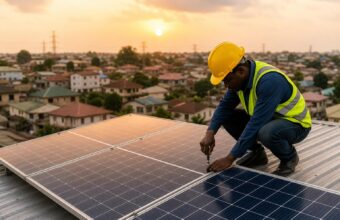
Nigeria’s unreliable electricity grid is pushing millions of businesses toward costly diesel and petrol generators, creating growing demand for decentralized solar and mini-grid solutions.
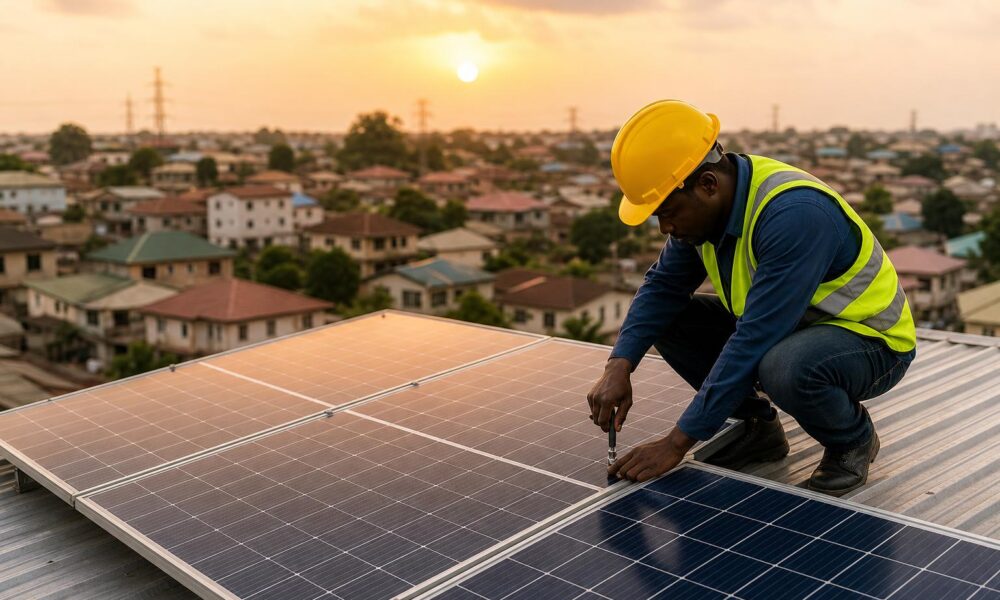
Nigeria’s unreliable electricity supply is helping drive a growing market for decentralized solar, as businesses look for alternatives to costly diesel and petrol generators.
Table Of Content
Millions of businesses continue to depend on private generators because interruptions to grid power disrupt operations and increase costs. Against that backdrop, PowerGen is betting that solar installations and mini-grids can deliver more dependable electricity at scale.
Solar emerges as an alternative
The shift reflects the pressure facing businesses that cannot rely consistently on the national grid. Decentralized energy systems can provide electricity closer to where it is consumed, although the available information does not establish whether commercial solar is already competitive with generators across Nigeria.
PowerGen’s approach places solar and mini-grids at the centre of efforts to expand reliable electricity access. The company’s strategy comes as other African markets, including Kenya, Ghana and the Democratic Republic of Congo, also seek to improve access to dependable power.
Currency risk complicates expansion
Financing remains a significant consideration for distributed-energy projects. Depreciation of local currencies can raise the cost of imported solar equipment and make it more difficult to repay financing denominated in US dollars.
Connor Shine, a Director at Delphos, discussed the PowerGen transaction and how financing was structured to manage currency risks. The specific mechanisms used by Delphos were not disclosed in the available information.
Shine also addressed whether commercial solar can compete with generators and whether the financing approach used for PowerGen could be applied in other African markets. The available information does not confirm that the model will be replicated elsewhere.
Broader regional investment
The development comes amid wider investment in Africa’s infrastructure and digital economy. The GSMA reports that the continent’s mobile coverage gap has declined from 50 percent in 2016 to less than 15 percent today, following sustained investment in telecommunications. It also says that 83 percent of connected Africans go online every day.
Separately, Togo and Russia have held their first joint intergovernmental commission at the Palais des Congrès in Lomé, with both sides exploring ways to expand investment and economic ties. The two countries have maintained diplomatic relations for 65 years.
For Nigeria’s businesses, however, the immediate issue remains the reliability and cost of electricity. PowerGen’s solar and mini-grid strategy reflects the growing search for alternatives to generator-dependent operations, while the ability to manage currency exposure may influence how widely such projects can expand.



No Comment! Be the first one.