
Wildlife recoveries show conservation can reverse decline
Conservation efforts have helped several wildlife populations recover, but experts warn that habitat loss, climate change and harmful economic systems continue to threaten nature.

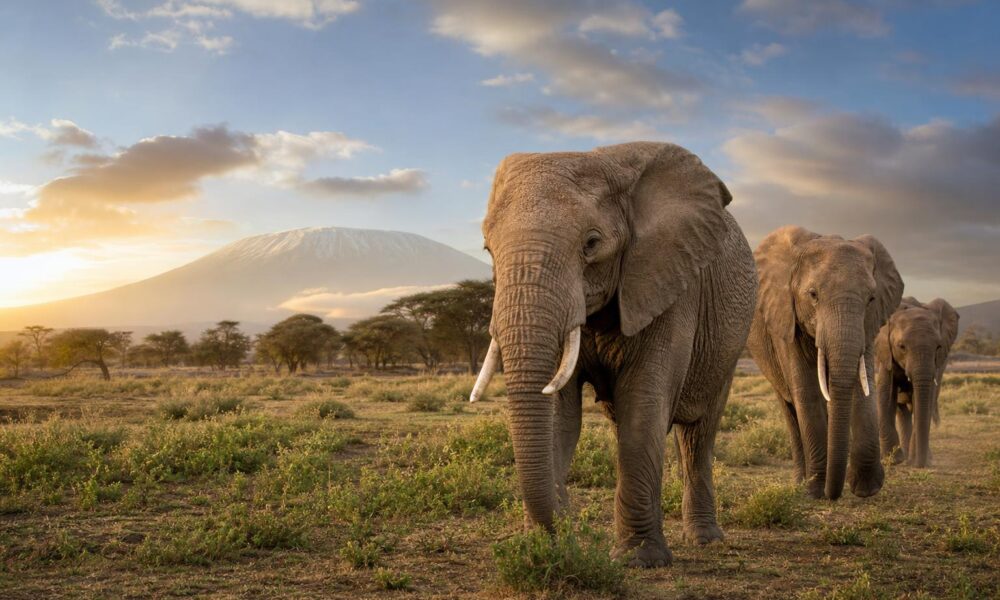
Several wildlife populations have recovered after years of sustained conservation, offering evidence that declines can be reversed even as the wider natural world remains under severe pressure.
Table Of Content
Examples highlighted include mountain gorillas, green sea turtles, Atlantic bluefin tuna, wild tigers and Southern African elephants. The recoveries have been linked to measures including direct protection, scientific management, enforcement, international cooperation and involvement by local communities.
Mountain gorillas provide a long-term example
Mountain gorilla numbers have risen from a position described as a fast track to extinction in the 1980s to more than 1,100 animals living across Uganda, Rwanda and the Democratic Republic of the Congo.
At Bwindi Impenetrable National Park in Uganda, tourism connected to gorilla observation supports wood-carving sales, accommodation for up to 40,000 tourists a year, and employment for rangers and guides. Each tourist paid $800 for the gorilla-observation experience described in the source.
Tara Stoinski of the Dian Fossey Gorilla Fund said the mountain gorilla recovery demonstrates that conservation can succeed when it is sustained over decades.
“It’s a really important example of the effort that’s needed to make that happen – decades of sustained conservation action that includes direct protection, science-informed management and meaningful community support and involvement,” Stoinski said.
Recoveries amid a broader decline
The World Wide Fund for Nature’s Living Planet Report recorded a 73 percent fall in the average size of monitored wildlife populations over 52 years. The report nevertheless identified important recoveries among green turtles, bluefin tuna, tigers and Southern African elephants.
Global wild tiger numbers increased by more than 70 percent between 2010 and 2025, according to WWF. The organisation linked the growth to commitments made by tiger-range countries, including India, Bhutan, Nepal, Laos and China.
In 2025, the green sea turtle was moved on the International Union for Conservation of Nature Red List from endangered to least concern. The change followed species research, protection of nesting females and eggs, efforts to reduce harmful fishing gear and continued community engagement.
Atlantic bluefin tuna populations had fallen by 80 percent by 2010. The species has since returned to British waters in numbers not seen for generations, although no precise current population figure was provided.
Tom Horton, a research fellow at the University of Exeter, said the return was significant because coastal communities, fishers and other sea-users could now see the recovery directly.
“What makes this story particularly powerful is that the recovery is visible,” Horton said.
Threats remain for vulnerable species
Conservation gains have not removed the pressures driving wildlife loss. The source identifies habitat destruction, climate change, pollution, overexploitation and invasive species as continuing threats.
It also points to the global food, energy and finance systems as major drivers of nature loss. Food production can lead to forests being cleared for crops, fossil-fuel use contributes to climate change, and finance can support large infrastructure and mining projects that damage natural habitats.
Grauer’s gorillas remain under serious pressure in the remote forests of the Democratic Republic of the Congo, where instability and habitat loss have contributed to an estimated 60 percent decline. Their population is estimated at about 6,800.
Urbain Ngobobo, country director for the Dian Fossey Fund in the DRC, said efforts to protect forests with communities, monitor gorillas and train young Congolese conservation leaders offered grounds for hope.
“Every forest we help communities protect, every gorilla we are able to monitor and every young Congolese person who develops the skills to become a conservation leader, represents progress,” Ngobobo said.
Andrew Terry, chief conservation officer at the Zoological Society of London, said nature had been undervalued for too long but that recovery remained possible. Professor Brendon Godley of the University of Exeter and the Sharjah Marine Research Centre likewise cautioned that successful species recoveries should not lead to complacency.
WWF Director General Kirsten Schuijt said industries and systems contributing to nature loss must be transformed. Progress is under way, she said, but not yet everywhere or at the scale required.





No Comment! Be the first one.