
Nigerian Deaf Communities Seek Recognition for Indigenous Sign Languages
Deaf communities, researchers and activists in Nigeria are calling for the documentation, development and recognition of indigenous sign languages.

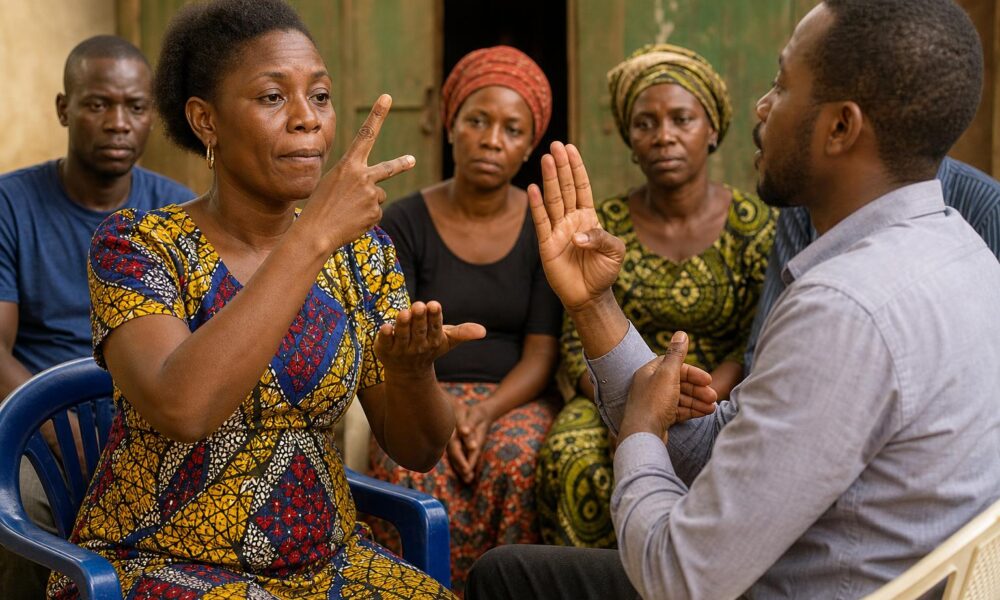
Deaf communities in Nigeria are working to preserve indigenous sign languages and secure wider recognition for communication systems that existed before formal sign language education was introduced in the country.
The campaign involves deaf Nigerians, researchers and activists, who are advocating for better documentation, development and investment to protect the languages from possible disappearance.
A language linked to identity
Umaru Zayyanu, a 37-year-old man who uses Hausa sign language in Abuja, said deaf communities had their own languages before formal schooling was established. Speaking about the importance of preserving indigenous forms of communication, he said: “It is our culture and identity.”
Hausa sign language has become a common means of communication among deaf people across northern Nigeria, according to the report.
Sanni Lawal said indigenous sign languages should move beyond the local communities where they are used and gain broader recognition.
Concerns over documentation and funding
Researchers have warned that limited funding, poor documentation and the growing dominance of formal sign languages could place some indigenous systems at risk of disappearing.
Taiwo Ajayi, a sign language researcher, said documenting and developing indigenous sign languages was essential, particularly for deaf people who have never had access to formal education.
Activists are calling for greater recognition and investment to ensure that Nigeria’s linguistic diversity is not lost. Their efforts focus on strengthening the place of indigenous sign languages while supporting the communities that use them.




No Comment! Be the first one.