

King Mohammed VI has called on Morocco’s public institutions to place youth concerns at the centre of the country’s policy agenda, urging a coordinated approach that links education, skills development and economic inclusion.
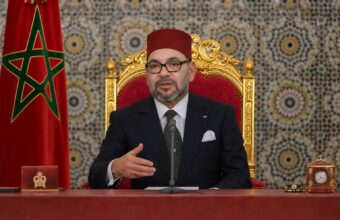
The king made the remarks on Friday while opening a new parliamentary session in Rabat. He said youth policy should form part of Morocco’s wider development strategy and should provide broader opportunities for young people.
Focus on opportunity
Mohammed VI called for a new generation of economic strategies, increased investment from the private sector and measures to widen opportunities for young Moroccans.
He described the required approach as “an integrated vision that guarantees equal opportunities and encompasses education, skills development, and economic inclusion.” He also said youth-related concerns must be given greater prominence in public policies and in the work of governing bodies.
The remarks come after youth-led protests highlighted frustrations and expectations linked to social and economic opportunities. According to the source report, young people have called for improvements to public healthcare and education, as well as more employment opportunities to address high youth unemployment.
Opposition lawmakers said they would monitor whether the priorities outlined by the king lead to specific measures rather than remaining broad political objectives.
Partnership with Spain
The parliamentary address also included a defence of Morocco’s partnership with Spain. Mohammed VI said the relationship was a sovereign choice and a voluntary commitment that should not be subjected to pressure, threats or blackmail.
He announced plans to redefine bilateral cooperation following the mass migration into Spain’s Ceuta exclave in July. Many of those who crossed into the Spanish territory at the end of July were young people.
Morocco plans to present its partners with a strategic document outlining a new vision for cooperation. The proposed framework will focus on co-development, economic competitiveness and regional stability.
The king also criticised delays in transferring powers and resources to regional authorities. In addition, he identified stronger water, energy and food security as priorities for the country.
The address set out several policy commitments, but it was not stated whether the proposed strategic document had already been completed or presented. The implementation of the youth and economic priorities also remains to be seen.



No Comment! Be the first one.