
ECOWAS and GIZ Begin Accra Workshop on 2026–2031 Communication Framework
ECOWAS and GIZ have begun a workshop in Accra to put the bloc’s 2026–2031 communication policy and inter-institutional strategy into practice.

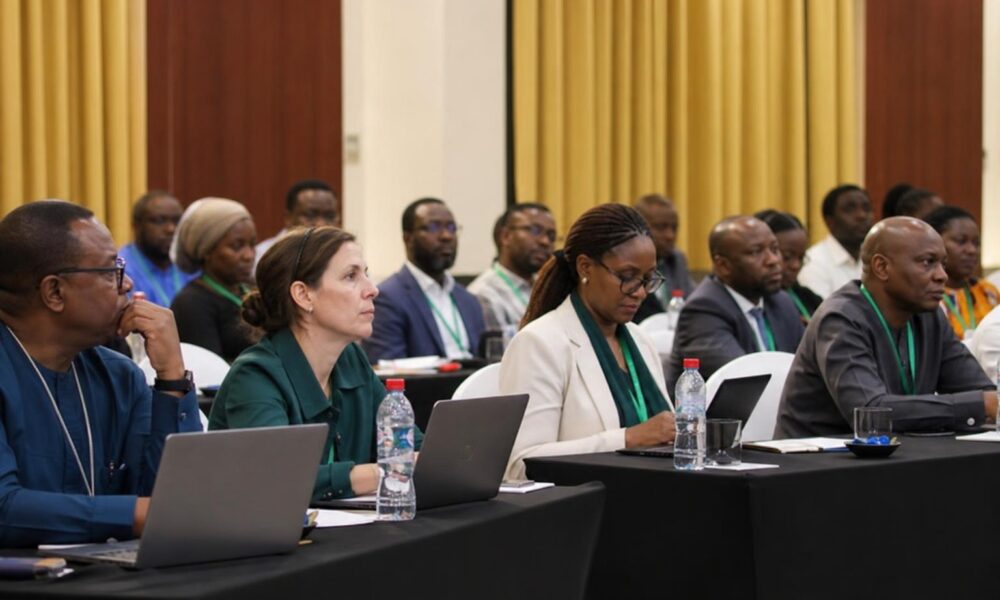
The Economic Community of West African States (ECOWAS) Commission and the German Agency for International Cooperation (GIZ) began a workshop in Accra, Ghana, on 12 October to advance implementation of the bloc’s communication framework for 2026–2031.
The meeting brings together communication officers from ECOWAS institutions and specialised agencies. It is designed to improve coordination, align institutional messaging and turn the recently adopted ECOWAS Institutions Information and Communication Policy and Inter-Institutional Communication Strategy into practical, coordinated actions.
Focus on coordination and public engagement
The workshop follows the adoption of the policy and strategy, which are intended to support the implementation of ECOWAS Vision 2050. Participants are expected to examine shared communication priorities and identify ways for institutions to work more closely when planning and delivering public information.
According to the programme, officers are also scheduled to review communication achievements and lessons from 2026. In preparation for 2027, they will share institutional priorities and explore opportunities to connect, coordinate and amplify planned activities.
The gathering also provides an opportunity to consider common communication difficulties, exchange experiences and develop practical responses. ECOWAS says the process is intended to improve consistency in public messaging and increase the visibility and impact of its programmes and initiatives.
Officials highlight changing information environment
Joel AHOFODJI, Director of Communication at the ECOWAS Commission, described communication as strategically important to regional integration and to bringing the Community closer to its citizens. He characterised the workshop as an important move from adopting the new framework to implementing it effectively.
Lilian Seffer, representing GIZ and the Federal Republic of Germany, said communication is central to the transition from an “ECOWAS of States” to an “ECOWAS of Peoples.” She linked effective communication with citizens’ understanding of, confidence in and participation in regional integration.
Seffer also reaffirmed GIZ’s commitment to supporting ECOWAS as it implements the new policy and strategy.
Ambassador Mohammed Lawan GANA, the ECOWAS Resident Representative in Ghana, drew attention to the effects of technological change, including artificial intelligence, on the information environment. He said these developments were creating challenges connected to peace, security and regional stability.
GANA stressed the importance of clearly defined responsibilities, closer cooperation among ECOWAS institutions and a unified communication approach in responding to emerging information challenges. He conveyed a message from ECOWAS Commission President H.E. General Birame DIOP; the source did not provide direct remarks from the president.
The workshop is expected to support a more coordinated, responsive and citizen-centred approach to ECOWAS communication. However, the available account does not report completed decisions, measurable results or specific projects adopted during the meeting.






No Comment! Be the first one.