
Nigeria Investigates Two Suspected Ebola Cases in Northeast
Nigeria is investigating two suspected Ebola cases in the northeast, with both individuals isolated and laboratory testing under way.

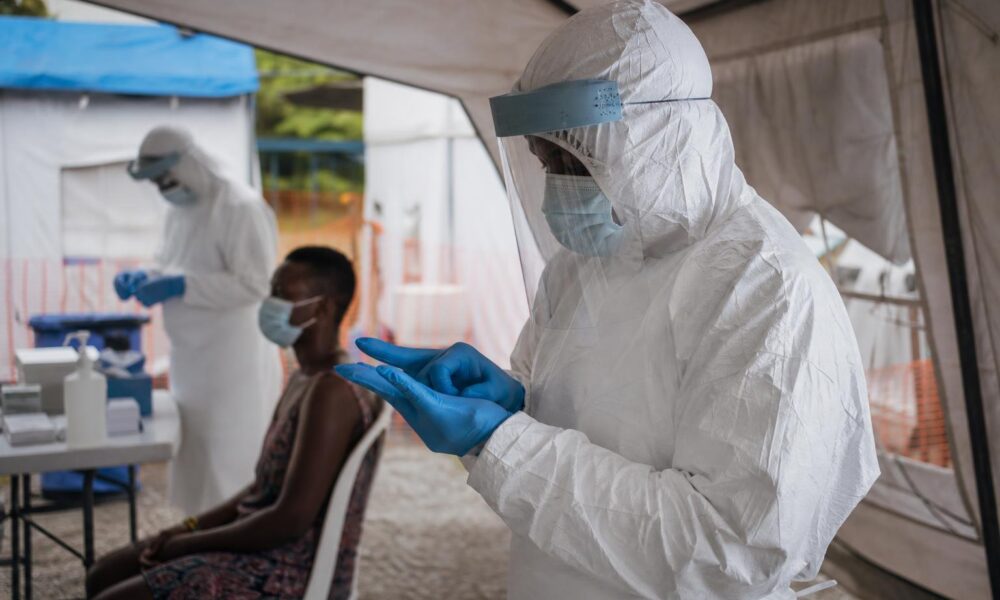
Nigeria is investigating two suspected Ebola cases in the country’s northeast, according to the Nigeria Centre for Disease Control and Prevention.
The agency said the two individuals had been isolated, while health officials continued identifying and listing people who may have had contact with them. Laboratory testing was also under way.
The NCDC cautioned that the cases had not been confirmed. In a statement posted on X, the agency said being classified as suspected cases did not mean the individuals had Ebola, adding that confirmation would depend on laboratory results.
Nigeria’s recent Ebola case
The investigation follows Nigeria’s declaration of its first Ebola case in more than a decade on October 20. Nigeria was subsequently described as the fifth country affected by the Bundibugyo strain after an imported case was reported.
A Swiss woman who had travelled to Nigeria from Uganda tested positive for Ebola. She and her husband, identified as a Swiss diplomat, were evacuated to Switzerland.
The current outbreak emerged in the Democratic Republic of the Congo in May. Bundibugyo cases have also been reported in Uganda, France, Kenya and Nigeria.
Concerns over outbreak response
The Africa Centers for Disease Control and Prevention has called for stronger measures to protect front-line health workers after two young Congolese doctors died from Ebola in the Democratic Republic of the Congo.
Health authorities have identified weaknesses in early detection and contact tracing as major obstacles to stopping transmission in the DRC. Many deaths there were reported to have occurred in communities.
The outbreak has affected eight of the DRC’s 26 provinces, with more than 10,300 confirmed Ebola cases reported. More than 5,000 deaths have also been attributed in the source material to the Bundibugyo strain since the outbreak emerged.
There is currently no approved treatment or vaccine for this strain, although vaccine trials are under way. In the DRC, health authorities said about 12 percent of confirmed cases had been identified among previously known contacts.
The results of the laboratory tests on the two suspected cases in northeast Nigeria, as well as the expected timeline for those results, have not been provided.





No Comment! Be the first one.