
African Creators Face Infrastructure Gaps Despite Growing Audiences
African creators have growing audiences but continue to face challenges involving payment access, piracy, production, distribution and policy, panelists said at Moonshot by TechCabal.

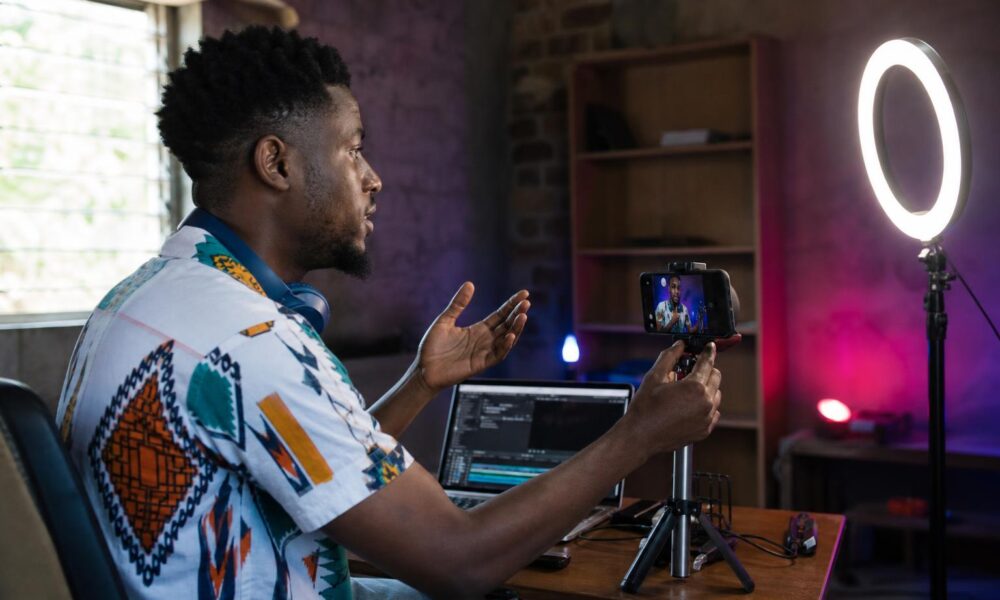
African creators have built significant audiences, but weaknesses in the infrastructure supporting payments, production, distribution and intellectual property protection continue to limit their ability to earn from that attention.
Table Of Content
The issue was examined at a panel held Thursday at Moonshot by TechCabal, titled “Can African players build the infrastructure creators need?” The discussion brought together Richard Oyome, co-founder and COO of Raenest; Kene Okwuosa, founder and group CEO of Filmhouse Group; Darey Art Alade, co-founder and chief creative officer of Livespot360; and Kopano Cowen, CEO of Connect Channel. Kehinde Odusote-Fagbule of TechCabal Insights moderated the session.
Payment access remains a challenge
For many creators, earning from international audiences remains difficult because of limitations around receiving payments from abroad. Before major platforms began paying Nigerian creators directly, brand deals were often their main route to income.
Meta switched on ads on Reels for creators in Nigeria and Ghana in 2024, creating another potential income stream. Raenest, which offers dollar, pound and euro accounts to freelancers and creators, has positioned payment access as part of the infrastructure needed by digital workers.
The company raised $11 million in a Series A round in February 2025. Raenest has also said it has processed more than $1 billion in payments for over 700,000 individual customers.
Figures cited from the Nigerian Creator Economy Report 2025 show the uneven distribution of creator income. The report says 56.45% of Nigerian creators earn less than $100 per month, while 3.23% earn more than $5,000. It also reported that Nigerian artists received more than ₦58 billion from Spotify in 2024, a 146% increase from the previous year.
Expanding the market
Oyome argued that the opportunity extends beyond Nigeria and that creators need stronger routes into foreign markets.
“We need to make the market bigger,” he said. “We could penetrate foreign markets, especially in film, through collaboration, to produce better quality and attract international audiences.”
Okwuosa challenged the idea that Nigeria’s domestic market is inherently too small to support larger creative businesses. “I don’t subscribe to the notion that the Nigerian market is small,” he said. “It only feels that way because we haven’t activated its size.”
He identified piracy as a major obstacle to achieving that potential. Estimates of the cost of piracy to Nollywood vary widely. MultiChoice has estimated annual losses at between ₦10 billion and ₦15 billion, based on audience data, although the available information does not provide the underlying methodology.
“It limits the rewards and reach for creators,” Okwuosa said of piracy.
Policy and investment
Alade said public-private partnerships could help address the structural challenges facing the sector. “Public-private partnerships can help expand the market,” he said, while calling for policies and legislation that would make collaboration easier.
The Nigerian government has also begun support for the creative economy through a Creative Economy Development Fund backed by a $200 million seed commitment from Afreximbank, according to information reported by TechCabal and attributed to the ministry.
TechCabal’s 2026 outlook said Netflix and Amazon Prime had reduced spending on African content, pushing more Nollywood filmmakers towards YouTube. Against that backdrop, panelists said future investment in the creator economy could involve partnerships or acquisitions linking payment providers with production, distribution and policy businesses rather than relying only on standalone products.
The discussion pointed to a broader infrastructure gap: audience growth alone does not guarantee sustainable creator income. Payment systems, stronger production capacity, wider distribution, anti-piracy measures and supportive regulation will all influence whether African creators can convert reach into lasting businesses.




No Comment! Be the first one.