
Carthage Music Festival returns with a strong focus on Tunisia’s artists
The Carthage Music Festival has resumed in Tunisia after a hiatus of nearly two years, featuring artists from 15 countries and placing Tunisian performers at the centre of its programme.

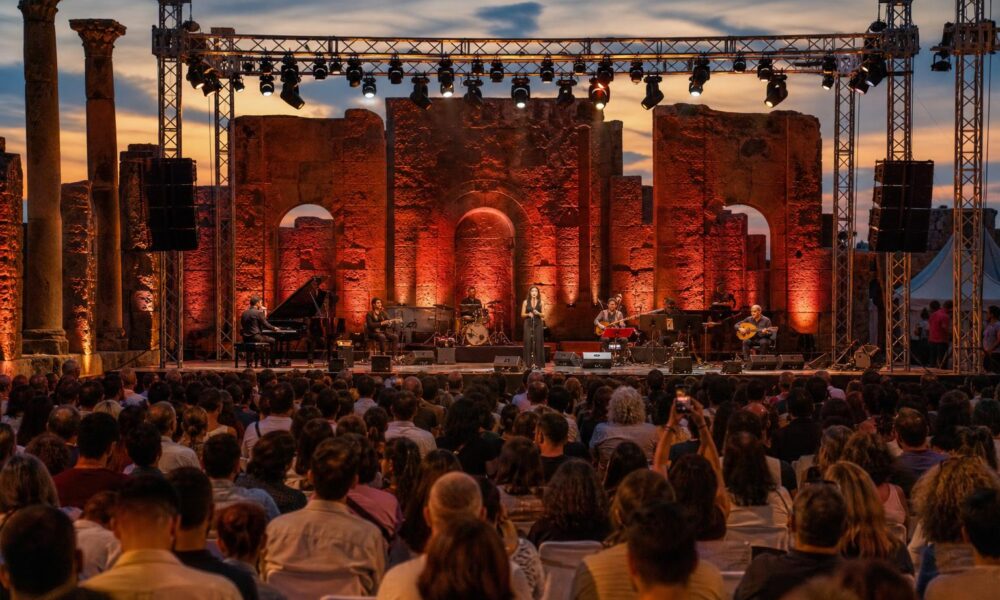
The Carthage Music Festival has returned to Tunisia’s cultural scene with its 11th edition, nearly two years after its previous run. The programme brought together Tunisian performers and groups from 15 countries, while placing particular emphasis on artists from the local music scene.
Table Of Content
The audience was mainly young, according to the source, as performances took place across the festival programme in the Tunisian capital.
Tunisian artists take the stage
Kaïs Kekli, who performs under the name VIPA, presented songs from his latest album, “OBOS,” at the Théâtre de l’Opéra. He performed with 20 musicians before a full auditorium with seating for 1,800 people.
VIPA also described “One Band One Sound” as a collective album and group project. “We were missing one member from the line-up, the audience,” he said.
The programme also featured Saharage, a group whose sound combines heavy metal with traditional North African influences. Its bassist and lead singer, Zaher Ben Abdallah, said the group had introduced its “Apex Africa” show, which brings together distorted guitars and African sounds.
Abdallah said the production presents an imagined, apocalyptic future that is technologically advanced but has also experienced a reversal. In the story, the so-called Saharage tribe returns to Voodoo beliefs and traditional practices while resisting invaders.
A blend of music, dance and visual performance
Singer, dancer and actress Molka Aouij performed “Back To My Roots,” a production combining Arabic music, electronic sounds, pop, dance and visual storytelling.
Aouij is known to the public for roles in television series and is the daughter of Tunisian diva Amina Fakhet. She said her creative inspiration came primarily from Tunisia and its heritage.
“I’ve tried to showcase and really highlight our artists, our potential, and our outstanding performers,” Aouij said.
Local scene at the centre
The festival’s selection process underlined its emphasis on Tunisian participation. Twenty-six groups were chosen from 378 applications, and at least 60 per cent of the artists were Tunisian.
The international presence extended across 15 countries, but the return of the festival was also presented as an opportunity to highlight the depth and variety of music being produced in Tunisia.
With its mix of established performers, emerging groups and multidisciplinary shows, the 11th edition restored the Carthage Music Festival to the cultural life of the capital after its extended break.




No Comment! Be the first one.