
Ceuta Minors Remain Homeless Two Months After Migrant Crossings
Many unaccompanied minors in Ceuta remain in makeshift camps and on the streets two months after thousands of migrants entered the Spanish enclave.

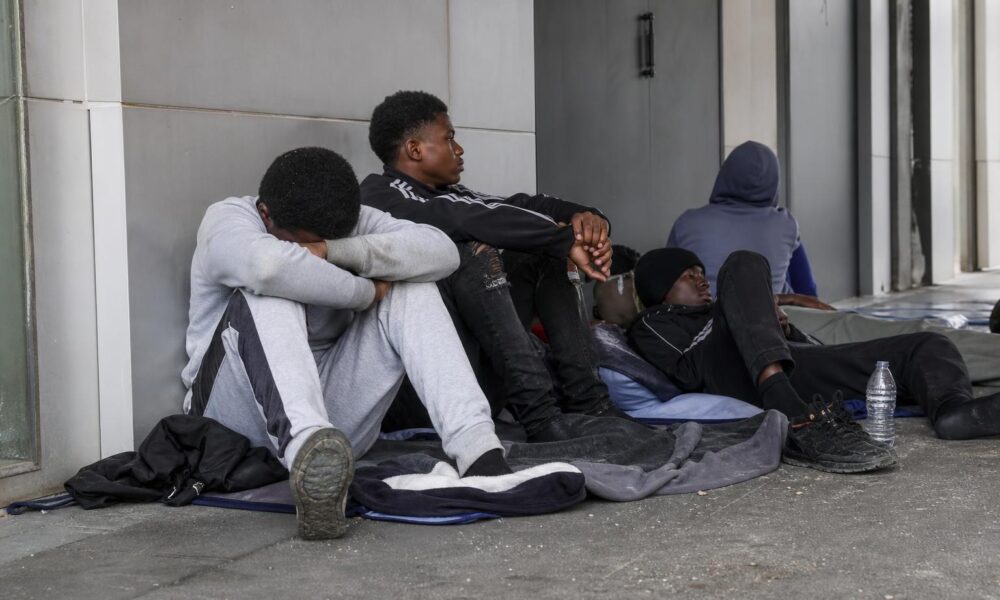
Many unaccompanied minors and teenagers in Ceuta are still living outdoors two months after thousands of migrants crossed into the Spanish enclave, with some sleeping in makeshift camps or on city streets.
Table Of Content
The continuing crisis has left many of an estimated 2,000 young migrants waiting for shelter or permission to travel onward to Europe. The Spanish government’s response has been described as slow and frequently improvised as winter approached.
Children wait for shelter and information
In early October, hundreds of minors and teenagers gathered outside a church, hoping to receive information about travel to Europe or find a place in a shelter away from the streets and beaches.
Members of a neighbourhood association later led the group down a hill to a soccer field, where Spanish police were waiting. The police presence was intended to prevent the children from overwhelming the minister, although the minister was not identified.
Many of the minors returned within hours to the same camps and hillsides where they had been staying.
One 17-year-old from northern Morocco, who hopes to become a model, described the prolonged uncertainty.
“I was expecting like a really easy experience, but it’s so hard. Like I was expecting two weeks, three weeks of that, but it’s been two months and we’re still living in the streets,” he said.
Unsafe conditions in informal camps
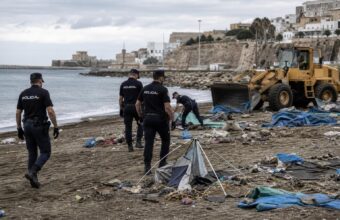
Many young migrants have reportedly been sleeping on cardboard sheets and torn sofas in squalid tent camps or on the streets. Open-air settlements containing adults and children have persisted on beaches, near warehouses and on hillsides.
About 3,000 people lived in one beachside camp where the air reeked of human waste. Some underage migrants were visibly under the influence of drugs, while children as young as 13 were reported to be sleeping and showering among adult men who frequently fought.
Other minors hid in the steep, narrow streets of Ceuta’s predominantly Muslim neighbourhoods.
Under Spain’s child-protection system, unaccompanied minors who arrive in the country alone are entitled to shelter, healthcare and education. However, experts cited in the report said authorities had struggled to process such a large number of migrants and appeared to be slow-walking the process, potentially allowing some to give up and return home.
Calls for protection
Estrella Galán, a Member of the European Parliament for The Left, described the humanitarian situation in Ceuta as “grim” and said it was worsening by the day.
“Children who should be under protection and guardianship are experiencing situations of serious helplessness,” Galán said.
Spanish prosecutors are investigating reports of torture and mistreatment of migrants. The outcome of that investigation has not been provided.



No Comment! Be the first one.