
Egypt Builds Rail Alternative to Suez Canal Shipping
Egypt is developing an $8.7 billion electrified high-speed rail network intended to provide an overland alternative to maritime transport through the Suez Canal.

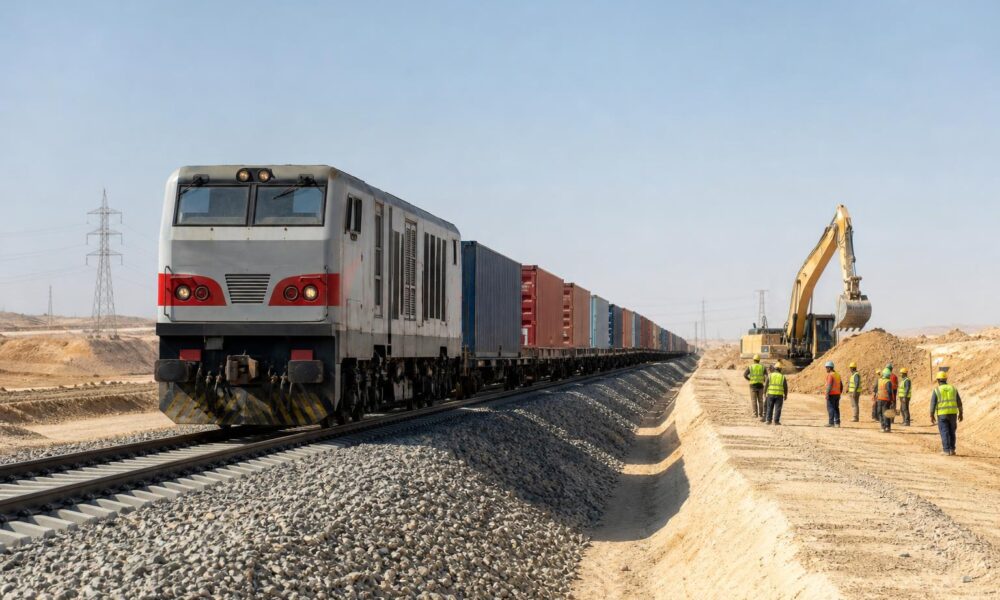
Egypt is building an electrified high-speed rail network intended to offer an overland alternative for moving merchandise through the country as disruptions continue to affect maritime traffic in the Red Sea and the Suez Canal.
The project, centred on the Suez Canal Economic Zone, will stretch about 2,000 kilometres and connect Red Sea ports directly with export terminals on the Mediterranean Sea. It is reported to cost $8.7 billion and is expected to carry up to 13 million tonnes of freight each year once fully operational.
Alternative route for cargo
The Suez Canal has served as Egypt’s commercial artery for more than a century and is described in the source report as handling roughly 12% of global maritime trade. Recent security disruptions in the Red Sea forced ships to take longer routes around the Cape of Good Hope, reducing transit revenues and severely disrupting global supply chains.
Egypt’s rail project is intended to allow cargo to cross the country by rail, helping businesses bypass maritime bottlenecks and reach Mediterranean connections and the European market. The source does not provide a completion date, operational start date or details on the line’s current construction stage.
Ahmed Rostom, identified as Egypt’s Minister of Economy and Planning, said the country had invested heavily in roads, ports and railways to give trading partners more options for moving goods across Egypt and accessing European markets.
“We’ve invested heavily in our infrastructure, be it roads, be it ports, as well as railroads, to give options to our trading partners to mobilize their merchandise and to move their merchandise across Egypt,” Rostom said.
Investment and regional trade ambitions
The Suez Canal Economic Zone has attracted more than $16 billion in investment, according to the source report. Rostom also said Egypt had directed resources towards logistics infrastructure and wanted to work with private-sector partners on logistics hubs along the canal.
Beyond its role in connecting Red Sea and Mediterranean facilities, the infrastructure is presented as potentially supporting wider African integration under the African Continental Free Trade Area. Land-based trade links could connect North African ports with corridors reaching East Africa and sub-Saharan Africa.
Those regional benefits remain potential outcomes rather than confirmed results. The source describes the rail network as part of Egypt’s effort to create more resilient logistics options for trading partners and global commerce.





No Comment! Be the first one.