
South Africa’s fintech race shifts toward everyday payment use
South African fintech companies are competing to turn accounts and wallets into platforms for regular payments, savings, transfers and other financial services.

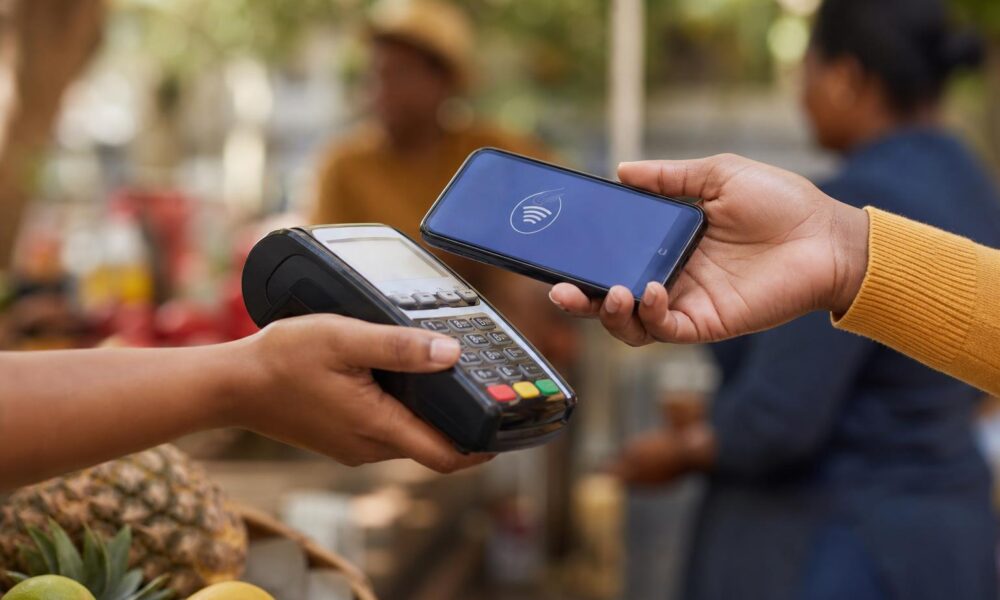
South Africa’s fintech competition is moving beyond the race to open accounts, as digital banks, mobile operators and remittance companies seek to become part of consumers’ routine financial activity.
Table Of Content
The companies are developing platforms that allow customers to receive, hold and spend money repeatedly. Their strategies include merchant payments, savings, lending, mobile connectivity, remittances and cross-border transfers.
Bank Zero builds around partnerships
Bank Zero recorded its first break-even month in August 2026, five years after opening to the public. The digital bank’s next phase of growth is expected to rely partly on its alliance-banking model, which separates banking infrastructure from the customer-facing brand.
Under the model, fintechs, retailers and digital platforms can offer financial products using Bank Zero’s infrastructure. The partners provide distribution and customer access, while Bank Zero supplies the technology supporting the services.
Bank Zero has 275,000 direct customers, while partnerships are bringing an additional 500,000 customers onto its platform. The total reach is not clear because some customers may overlap between the two groups.
One of the partnerships is with Mukuru, whose account and card offering in South Africa is supported by Bank Zero’s infrastructure. About 500,000 Mukuru customers are being migrated onto the platform.
Mukuru began by helping migrants send money across borders and is now seeking a broader relationship with customers after remittances arrive. Its neobank strategy includes allowing customers to hold funds, make payments and access additional financial services.
Mobile operators target financial ecosystems
MTN MoMo is seeking to turn MTN’s telecommunications customer base into a larger pool of active financial-services users. Serigne Dioum, MTN Group’s fintech chief executive, has identified the group’s 317 million telecom subscribers as a potential base for the financial-services ecosystem.
MTN MoMo’s planned expansion includes merchant payments, savings, lending and cross-border transfers. The service had more than 70 million monthly active users across 14 markets in September 2026.
FNB Connect is taking a different route by combining mobile connectivity with banking services and rewards. FNB Connect and associated services recorded R28.6 billion ($1.7 billion) in customer value and sales during their latest financial year, an 18% increase.
Habitual use remains the key test
South Africa’s payment market offers significant room for digital services, but account numbers alone may not show whether customers are loyal, transact frequently or generate sustainable revenue.
South African Reserve Bank figures cited in the report show that card payments reached R2.7 trillion ($149.4 billion) in 2024. Cash still accounted for 56% of consumer transactions by volume.
Research by Rushana Pillay in 2025 identified high transaction costs, fragmented collaboration across the industry and limited payment interoperability as barriers to adopting real-time electronic payments in South Africa.
These obstacles make merchant acceptance and connections between different payment providers important measures of the fintech platforms’ progress. Wallets are more useful when customers can pay merchants, settle bills and transfer funds across providers.
The companies’ expansion plans do not yet establish that customers will use the services for everyday spending. Some users may withdraw funds immediately or continue using competing platforms. It also remains uncertain whether partnership-led customer growth will translate into lasting loyalty and sustainable revenue.
For South Africa’s fintech sector, the decisive contest is therefore likely to be over repeated use rather than account acquisition alone.






No Comment! Be the first one.