
Health Ministry Explores Riders for Health Partnership to Improve Medical Transport
Sierra Leone’s Ministry of Health is considering a potential partnership with Riders for Health to strengthen ambulance services, referrals and the transportation of essential medical supplies.

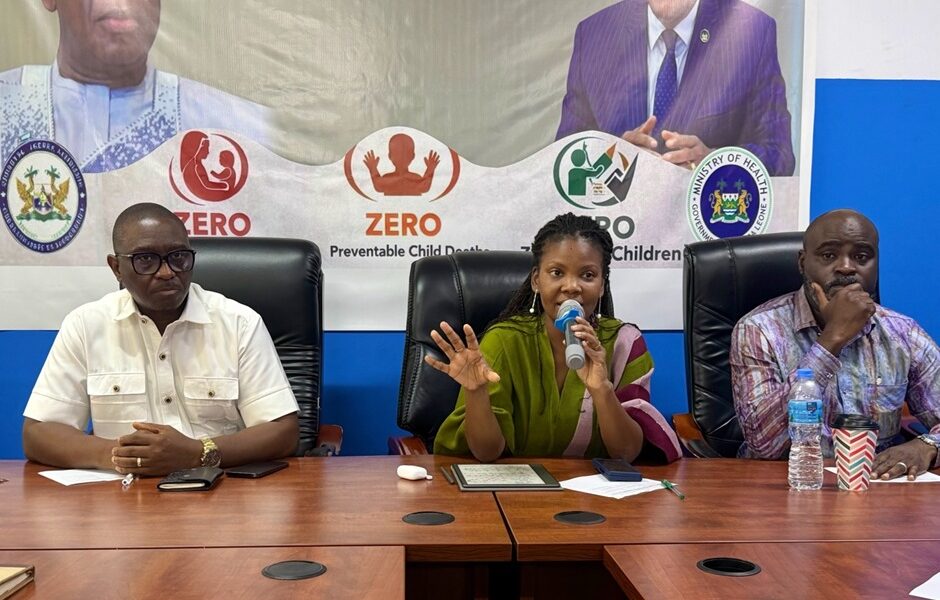
Sierra Leone’s Ministry of Health is exploring a possible partnership with Riders for Health to improve healthcare transport, ambulance services and referral systems, particularly for communities that are difficult to reach.
Ministry leadership met with a high-level Riders for Health delegation on 4 September 2026 at Youyi Building in Freetown. The discussions followed engagements and assessments covering ambulance and referral services, supply-chain transportation and support for health facilities.
The meeting examined assessment findings and the possibility of working together to improve the delivery of essential healthcare commodities to health facilities. No partnership agreement, funding arrangement or implementation timetable was announced.
Focus on remote access
Riders for Health is described by the Ministry as an African-led social enterprise that maintains vehicle fleets under contract for ministries of health and health-focused non-governmental organisations in Africa. Its work includes maintaining motorcycles, ambulances and trucks in difficult terrain at sustainable costs.
The organisation is also described as supporting outreach transport systems that allow community health workers to reach remote villages with medicines, vaccines and other essential health commodities.
Chairing the meeting, the Deputy Minister of Health II said access to healthcare should not be determined by road conditions or transport availability.
“As we continue to advance the Government’s commitment to strengthening healthcare delivery, our goal is clear: wherever our people live—whether in remote, hard-to-reach or riverine communities—poor roads, limited transport options or the absence of proper access routes should not determine whether they can receive timely and lifesaving healthcare,” the Deputy Minister said.
The Ministry’s source document notes that rural roads are poor and often deteriorate during the rainy season. These conditions contribute to delays in emergency obstetric referrals from villages to Community Health Centres and hospitals.
Potential support for ambulance and supply networks
Sierra Leone’s National Emergency Medical Service operates a national ambulance dispatch system, but faces last-mile access challenges in remote chiefdoms. The Ministry said a motorcycle-ambulance or sidecar-ambulance fleet managed under the Riders for Health model could potentially reduce referral times and complement the existing emergency medical service.
The discussions also considered how a Riders-type programme could support routine outreach by transporting vaccines and medicines to health posts. Another possibility is assistance with diagnostic sample transport, including the revival of a sample-courier network.
According to the Ministry, such a network could contribute to outbreak preparedness and support routine tuberculosis, malaria and laboratory-testing logistics. The source also says a diagnostic sample-courier network was valuable during the Ebola response.
The Ministry is examining these options as it works to improve maternal and child healthcare during implementation of the 300 Days of Activism. The focus includes referral networks, ambulance services and wider service delivery.
The discussions remain at the exploration stage, and the Ministry has not confirmed a final partnership or specific operational programme.






No Comment! Be the first one.