
Kenya tightens Ebola controls after first recorded case
Kenya has strengthened Ebola surveillance and response measures after a Kenyan man who had lived in Congo tested positive in Nairobi and later died.

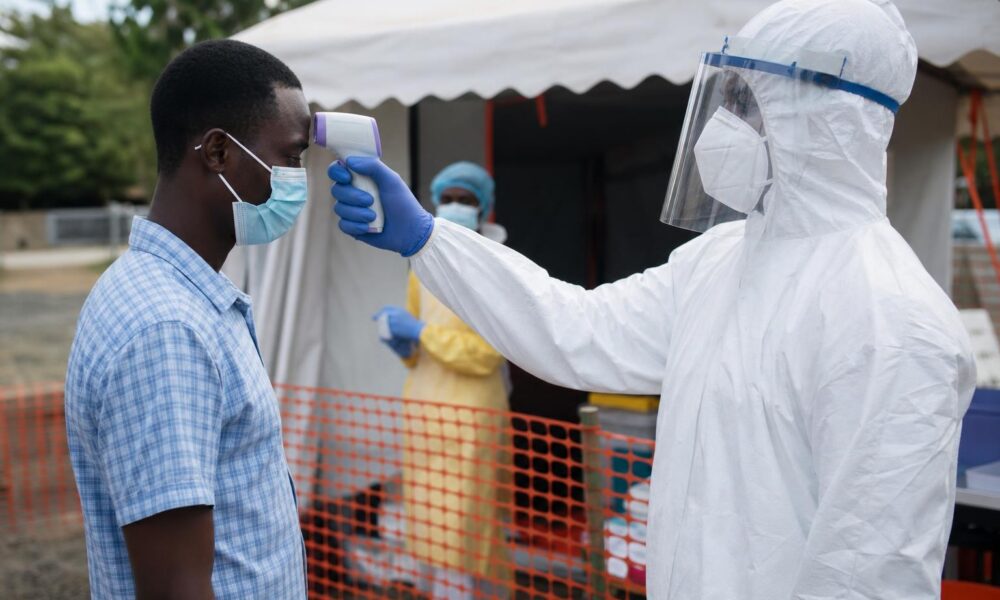
Kenya has stepped up Ebola preparedness after recording its first case, with authorities increasing checks at border entry points and introducing additional measures at the country’s main airport.
The patient was a Kenyan man who had lived in Congo for seven years. He began feeling ill about a month before the report, traveled by road to Uganda and then flew to Nairobi on Saturday. He tested positive at a Nairobi hospital and died on Monday.
The case involved travel through three countries before the infection was detected in Nairobi, according to the supplied account.
Border and airport measures
Kenya’s Health Ministry said it had heightened surveillance at border entry points and established a hotline for members of the public to report symptoms linked to Ebola.
The ministry also designated five health facilities to manage patients. Together, the facilities have 241 isolation beds, while work is continuing to increase available capacity.
At Kenya’s main airport, authorities assigned a specific gate for passengers arriving from 10 countries located within the outbreak’s epicenter.
The ministry said Kenya had sufficient supplies, including personal protective equipment, and had mobilized resources since the outbreak began in Congo in May. Those statements were made by the ministry and were not independently verified in the supplied material.
Concerns over movement between countries
Jean Kaseya, Director-General of the Africa CDC, questioned how the patient was able to travel by road and air through several locations without being detected earlier.
“We need to ensure that at point of entry, we have a strong surveillance system in place,” Kaseya said.
Ebola is highly contagious and can spread through contact with bodily fluids, including vomit, blood and semen. It can also be transmitted through contaminated surfaces and materials such as bedding and clothing.
The supplied information does not state whether any additional infections have been identified.


No Comment! Be the first one.