
Twiga Foods Enters Administration After Years of Losses and Expansion
Twiga Foods' operating entities have entered statutory administration in Kenya after 12 years without a profit, following creditor disputes and an expansion strategy that included commercial farming...

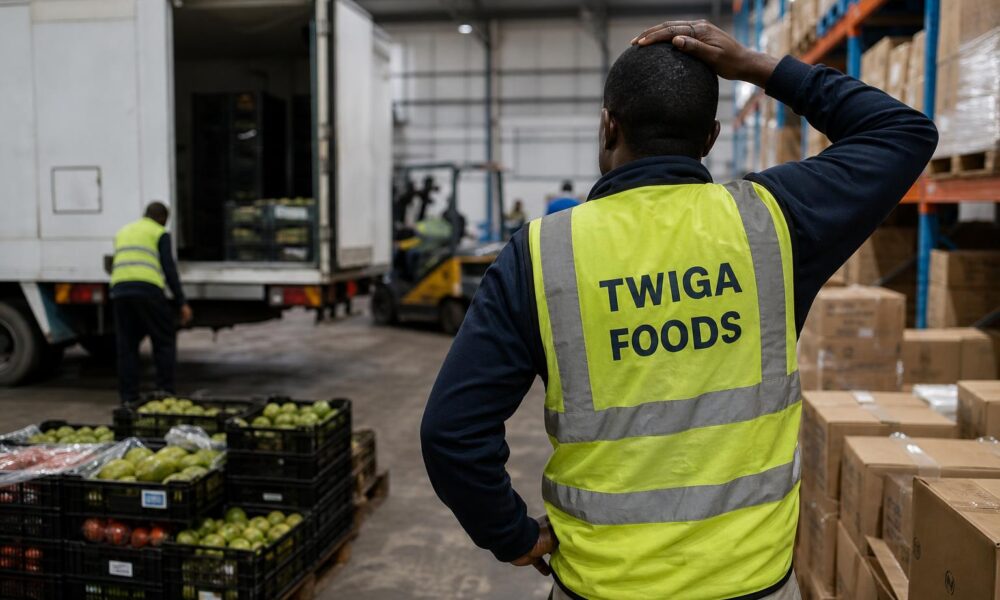
Twiga Foods’ operating entities have entered statutory administration in Kenya after 12 years without recording a profit, according to TechCabal.
Table Of Content
The entities were placed under the supervision of administrator Mohamed A. Mohamed in August and September 2026 under Kenya’s Insolvency Act. The process has frozen creditor claims.
Twiga Foods One Limited has been renamed GT Flow Limited, while Twiga Foods Limited is now known as Templar Field Limited.
Expansion backed by major investors
The company raised approximately $185.4 million from investors including Goldman Sachs, the International Finance Corporation and Creadev. Its original model sought to improve informal food distribution through software, delivery infrastructure and supply-chain control.
At its peak, Twiga reported making as many as 12,000 deliveries a day across 12 Kenyan cities. It served about 140,000 retailers and moved up to two million kilogrammes of produce daily.
As the business expanded, Twiga moved beyond food distribution into agriculture and centralized fulfillment. In May 2022, it committed roughly $10 million to launch Twiga Fresh after finding the supply of produce from smallholder farmers difficult to manage.
The company secured 1,606 acres in Taita Taveta and joined the state-backed Galana-Kulalu irrigation scheme. Twiga Fresh planned to produce 150,000 tons of onions, tomatoes and watermelons annually.
Twiga also committed to a build-to-suit central fulfillment centre at Tatu City Special Economic Zone. The planned facility included cold-storage lines, offices and staging yards.
Supplier and creditor pressure
In late 2023, cloud-services reseller Incentro Africa filed an insolvency petition seeking Twiga’s liquidation over an overdue balance of $261,878 from a multi-year cloud contract. Twiga obtained temporary injunctions and eventually settled the matter, according to the report.
More than 100 commercial suppliers subsequently suspended trade terms and demanded immediate payment in cash on delivery.
Twiga raised $35 million in convertible debt from Creadev and Juven in December 2023. The funds were used to clear overdue supplier debts and avert liquidation rather than to finance ongoing operations, TechCabal reported.
Co-founder Peter Njonjo resigned from Twiga’s board in January 2024. He said operational and strategic control had shifted to foreign private equity investors. Charles Ballard, a former Jumia Kenya executive, became chief executive with a mandate to carry out retrenchment.
Costly infrastructure and changing market conditions
The company’s farming expansion exposed it to weather variability, pests and high direct labour costs. Meanwhile, the Tatu City fulfillment-centre lease became an onerous liability that internal revenues could not support.
By early 2026, creditors had filed a High Court petition seeking the formal liquidation of Twiga Tatu SEZ Limited over unpaid rent. The final outcome of that petition was not provided in the report.
TechCabal also reported that the technology funding market began contracting as Twiga expanded its agricultural assets. The company’s experience has prompted debate over whether venture-backed technology businesses can address informal-market and working-capital challenges through software, debt and asset-heavy infrastructure.
Competitor Kapu adopted a more asset-light pickup-agent model rather than owning logistics fleets, according to the report.






No Comment! Be the first one.