
Incoming UN Chief Faces Reform, Funding and Conflict-Mediation Challenges
The incoming United Nations secretary-general will inherit an institution facing financial pressure, calls for Security Council reform and criticism over its limited role in major conflicts.

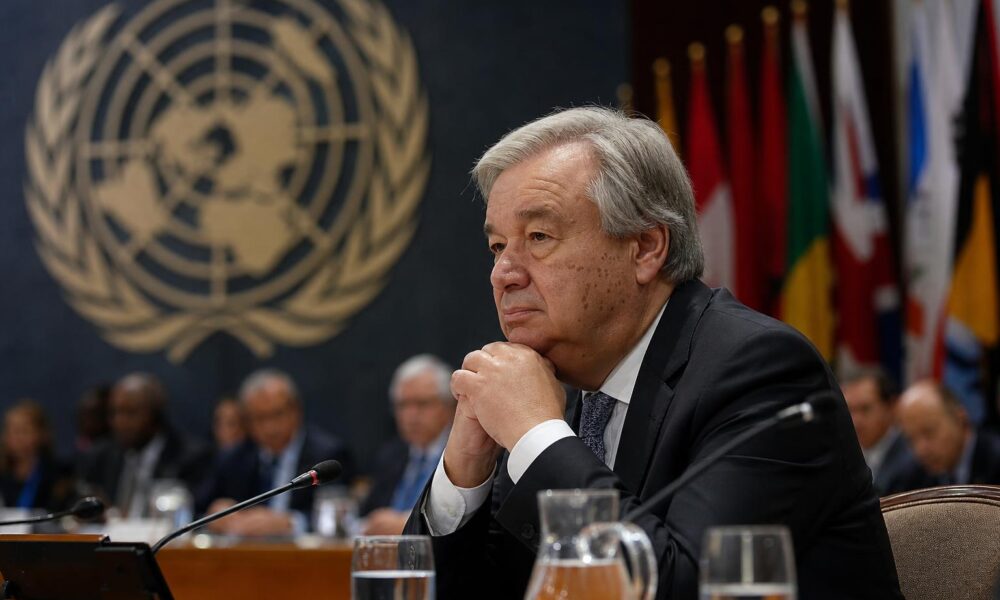
The next United Nations secretary-general is expected to assume office on Jan. 1, taking charge of an organisation under pressure to reform its power structures, restore its financial stability and play a stronger role in resolving conflicts.
Table Of Content
The transition follows the farewell address delivered by outgoing Secretary-General Antonio Guterres to the General Assembly during the annual gathering of world leaders. The incoming leader’s name and the year of the transition were not specified in the available information.
An institution under pressure
The United Nations, described as an 81-year-old institution, has been sidelined from top-level efforts to end the wars in Iran, Ukraine and Gaza. Its limited influence has raised questions about whether it can still perform the central diplomatic role it once held in resolving international crises.
Kizito Byenkya said the next secretary-general would face the most monumental task the organisation had encountered in decades because the United Nations is entering a critical reform process. He also said the new leader would face strong pressure to take a central role in mediating conflicts around the world.
“You have huge pressure on all sides for the new secretary-general to act like a general and really play a central role in mediation for world conflicts,” Byenkya said.
He pointed to conflicts including those in Gaza, Sudan and Ukraine while questioning the United Nations’ role in recent international crises. Byenkya contrasted the current situation with the period of former Secretary-General Kofi Annan, whom he described as central to conflict diplomacy and a skilled mediator and negotiator.
Financial strain and reform demands
The organisation is also facing a precarious financial position, mainly because the United States owes it billions of dollars. The financial pressure has contributed to budget reductions, the consolidation of programmes and agencies, and efforts to remove hundreds of mandates requiring actions and reports.
Despite those constraints, the United Nations remains a key provider of humanitarian and development programmes. The available information does not specify the individual programmes affected or the scale of the cuts.
Reconfiguring the organisation to reflect the 21st century, rather than the post-World War II era, is expected to be a central priority for the next secretary-general.
Member states broadly want the Security Council to better reflect the current international balance. However, disagreements over how the council should be expanded have blocked meaningful progress for decades.
The United States, Russia, China, Britain and France are the council’s five permanent members and hold veto power. Africa, Latin America and the island nations do not have permanent seats.
Calls for a more representative system
Ghanaian President John Mahama has called for Security Council reform, arguing that the issue is essential to the United Nations’ future rather than a concession to any particular region.
“Security Council reform is not a favour to Africa,” Mahama said. “It is an imperative for the legitimacy, credibility, and survival of the United Nations.”
Mahama also warned of intense fragmentation, widening inequality and declining trust in the multilateral system. He called for action against what he described as a breakdown in global order and a dangerous movement toward unilateralism.
In his farewell remarks, Guterres said the world did not need a weaker United Nations, but one strong enough to confront present realities and determined enough to help build a better future. He also challenged member states and the wider international community to uphold international law, end wars before they affect generations, address inequality, accelerate climate action and ensure artificial intelligence remains governed by people rather than governing them.


No Comment! Be the first one.