Sierra Leone Police Unveils Online TV Platform to Connect More Closely with the Public
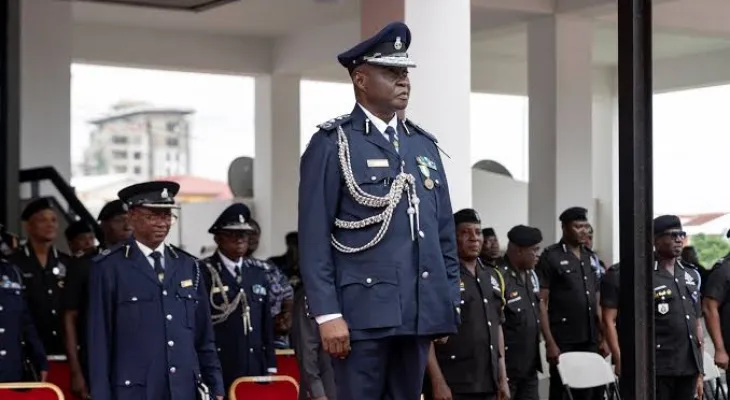
The Sierra Leone Police has introduced a new online television platform as part of efforts to improve transparency, communication, and public trust. The initiative marks another step in the institution’s ongoing transformation aimed at delivering more effective and people-focused services.
Speaking on the development, Inspector General of Police William Fayia Sellu outlined several changes and improvements made under his leadership. He highlighted major infrastructure upgrades, including the expansion of key police facilities such as Mattru Police Station, now considered the largest in the country, along with upgrades to Aberdeen Police Station and the Ross Road Regional Headquarters.
The police have also increased training opportunities for officers, both within the country and abroad, to strengthen professionalism and capacity. In addition, new fibre boats have been introduced to improve patrols across coastal and inland waterways, boosting maritime security.
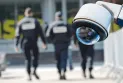
Communication within the force has seen improvements through the revival of the police radio system, allowing better coordination nationwide. Surveillance efforts have also been strengthened with the installation of CCTV cameras in Freetown and other regional centers, enhancing crime detection and response.
Other developments include ongoing efforts to review outdated policing laws and expand the reach of the police community radio station. The use of GPS tracking in operational vehicles has further improved response times and resource management.
As part of modernization efforts, the police have also introduced drone technology designed to support operations, including crowd control when necessary.
Attention has also been given to the welfare of officers and the public. Upgrades to the police hospital now allow for improved healthcare services, including advanced medical equipment and free surgical procedures for both personnel and civilians.
A key focus of these reforms is shifting from a traditional “force” approach to a more service-oriented model that prioritizes community partnership. This change is guided by lessons learned from other countries and supported by stakeholder engagement across the nation.
Public discussions and town hall meetings have been held to involve citizens, officers, and community leaders in shaping the future of policing. These conversations were influenced by findings that revealed a significant gap in trust between the police and the public.
The newly launched online TV platform is expected to play a vital role in bridging this gap. It will serve as a space for sharing information, highlighting police activities, and encouraging public participation by giving citizens a voice.
The police are urging the public to actively support safety efforts by providing timely and reliable information. Plans are also underway to feature regular discussions involving police leaders and community members, promoting open dialogue and stronger collaboration nationwide.
Comment / Reply From
You May Also Like





Recent News


Popular Posts