
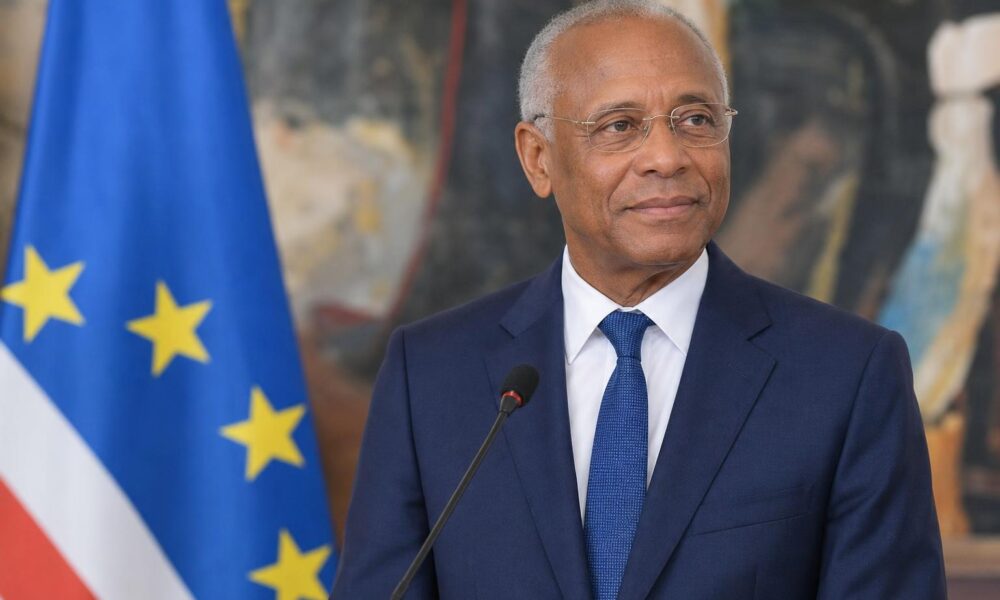
José Maria Neves was projected to win a second term as president of Cape Verde after taking nearly 64 percent of the vote with 98 percent of ballots counted.
Joana Rosa, who became the country’s first female presidential candidate, was in second place with 31.5 percent, according to official results reported in the vote count. Turnout stood at around 32 percent among more than 400,000 eligible voters.
Neves claimed victory on Sunday evening and said his next term would focus on cooperation across political divisions. He promised to seek cross-party support for measures aimed at improving housing, healthcare and education, while also creating jobs.
Promise of an inclusive presidency
Addressing supporters after declaring victory, Neves said he would continue to serve all Cabo Verdeans regardless of their political or social outlook.
“The president of this republic is not about the majority vote, the president of the republic is for everyone,” he said, adding that he would work to unite Cabo Verdeans in the islands and in the diaspora.
The result remains a projection because the source report said 98 percent of votes had been counted and did not provide a final certified result.
Political and economic context
The election follows a parliamentary shift in May, when the African Party for the Independence of Cape Verde, known as PAICV, won a majority. The party backs Neves and controls the government and most municipalities, according to the source report.
Cape Verde operates a parliamentary system in which the prime minister directs policy and exercises most executive authority. The directly elected president’s role is largely ceremonial, although the office includes the power to veto legislation.
Neves was first elected president in 2021. He previously served as prime minister and president of PAICV from 2001 to 2016, and has also worked as a mayor and lawmaker.
Cape Verde is regarded as a democratic model in Africa, with a record of competitive elections and peaceful transfers of power. The country has also recorded strong economic growth linked to tourism. In July, the World Bank classified it as an upper-middle-income country.
Despite that progress, the islands continue to face social inequality, geographic isolation and limited affordable travel between them. Rising living costs, fuel prices and youth unemployment remain among the concerns confronting the country.





No Comment! Be the first one.